
In Brief: Key Takeaways
What is Fascia?
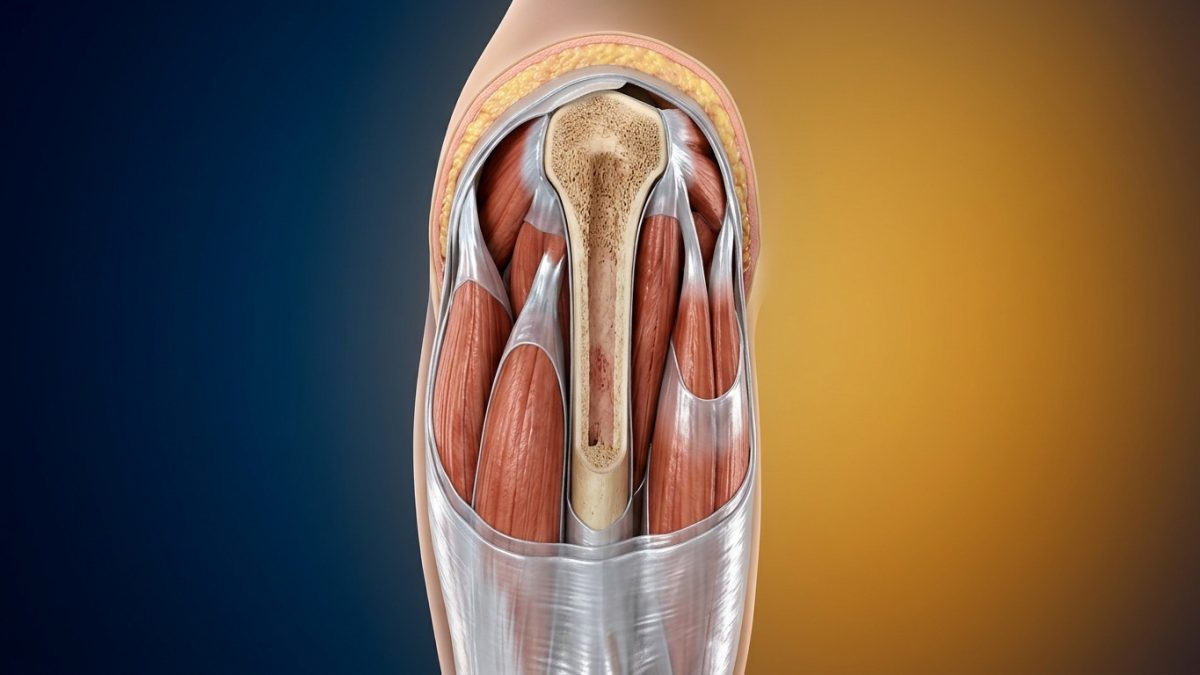
Fascia is a critical part of our musculoskeletal system, working alongside our muscles and bones. It includes the ligaments, tendons, and the white, fibrous membranes that wrap around entire muscles and even individual muscle fibers. If you’ve ever prepared meat, you’ve seen it – it’s the tough, white membrane that is often trimmed away to make the meat more tender.
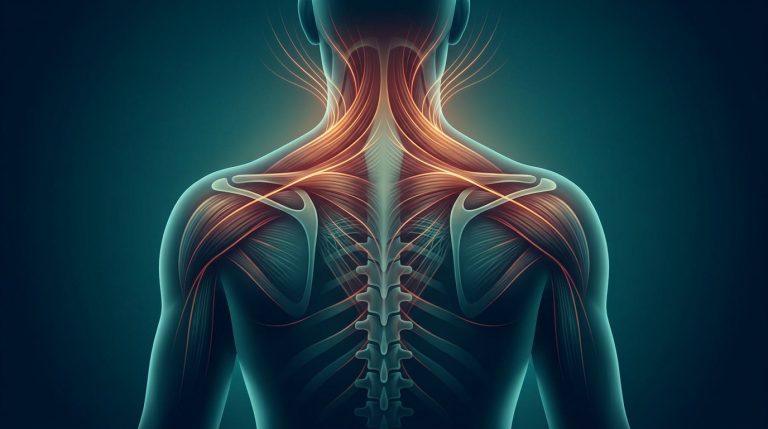
Think of fascia as an elastic, interconnected web that envelops our muscles, bones, and organs, effectively linking the entire body into a single, cohesive unit. This network has very different physical properties from muscle tissue. It functions more like a spring, capable of storing and releasing elastic energy. For example, our ability to jump is largely thanks to the spring-like properties of our fascia.
Despite its importance, the crucial role this tissue plays in enabling pain-free, unrestricted movement was only widely recognized in the early 21st century – and there is likely still much more to learn.
Why Healthy Fascia is Crucial for Pain-Free Movement
Recent discoveries have highlighted just how vital healthy fascia is for our overall well-being and mobility. When this network becomes stiff or unhealthy, it can lead to significant pain and limitation. Here’s what we’ve learned so far:
Fascia is a Major Source of Pain
Your fascial network contains more pain sensors than your muscles do. This means that when fascia becomes tight, inflamed, or damaged, it can be a primary source of chronic aches and pains that are often mistaken for muscle injuries.
Elasticity is Essential for Freedom of Movement
For your muscles to move freely, the fascia surrounding them must be flexible and pliable. Imagine wearing a very tight wetsuit. If the material is elastic, you can move with ease. But if it were made of a rigid, inflexible material, you would barely be able to move at all. The same principle applies to your fascia. When it loses its elasticity, it constricts the muscles it encases, leading to stiffness, pain, and limited range of motion.
Movement and Hydration are Key
To maintain its elasticity, fascia needs two key things: consistent movement and adequate hydration. Movement helps to stimulate the tissue, while proper hydration allows it to remain supple and glide smoothly. Without these, the tissue can become stiff and brittle.
The Natural Effects of Aging
As we age, the elasticity of our fascia naturally declines. However, this process can be significantly slowed down by maintaining a lifestyle that includes regular, proper movement. The more you move, the healthier and more resilient your fascia will remain over time.
How to Maintain Healthy and Elastic Fascia
Keeping your fascial network healthy doesn’t require a complicated regimen. The principles are simple and accessible to everyone. To maintain an elastic and healthy fascia, it’s important to move as much as possible and incorporate stretching – preferably dynamic, elastic stretches rather than static holds.
Stay in Motion
The most important piece of advice is also the simplest: stay in motion! Walk, run, dance, play with your children – any form of movement is beneficial. But what can you do when your job requires you to sit for most of the day? We will explore solutions for this in the next part of this series.
Use a Foam Roller for Fascial Health
Another wonderful tool for maintaining fascial flexibility is a foam roller (sometimes called a black roll). By rolling different muscle groups or areas (like the lower or upper back) over the cylinder, you apply pressure to the fascia. This pressure helps to squeeze out old, stagnant fluid from the tissue, much like wringing a sponge. This process also helps flush out accumulated metabolic waste products. When the pressure is released, the tissue rehydrates with fresh, nutrient-rich fluid, which helps keep the fascia elastic, clean, and healthy.
Remember, the approach to health can vary for each person. For personalized guidance on movement and fascial health, it’s always best to consult with a qualified practitioner.