
In Brief: Key Takeaways
Understanding Your Headaches and Migraines
Anyone who frequently suffers from headaches and migraines knows how deeply they can impact quality of life and daily function. Finding effective treatment can be complex, partly because there are so many different contributing factors – some well-known, and others less so. While headaches and migraines are not identical conditions, they share several common underlying causes, which will be the focus of this article.
Both conditions are considered multifactorial. This means that more than one trigger can be involved, or a specific combination of factors may be required to initiate an episode. This article explores some of the most common, yet frequently overlooked, root causes behind chronic head pain.
Common (But Often Overlooked) Root Causes of Headaches
Effective treatment begins with identifying the specific triggers unique to you. Below are four potential causes that may be contributing to your headaches and migraines.
1. Temporomandibular Joint (TMJ) Dysfunction
The jaw joint is one of the most important and delicate joints in the body. When it isn’t functioning correctly, it can cause widespread pain, including severe headaches and migraines. If you clench or grind your teeth, there is a high probability that your jaw joint is involved in your head pain. This constant tension can create trigger points in the surrounding muscles, referring pain to the head.
2. Histamine Intolerance
Histamine is a molecule that the body produces on its own and is also present in many foods. When there is a problem with breaking down histamine in the gut, it can accumulate and lead to various symptoms, including migraines and headaches. If you experience digestive issues, skin problems, or allergies in addition to your headaches, there’s a strong chance that histamine intolerance is a contributing factor.
3. Chronic Muscle Tension
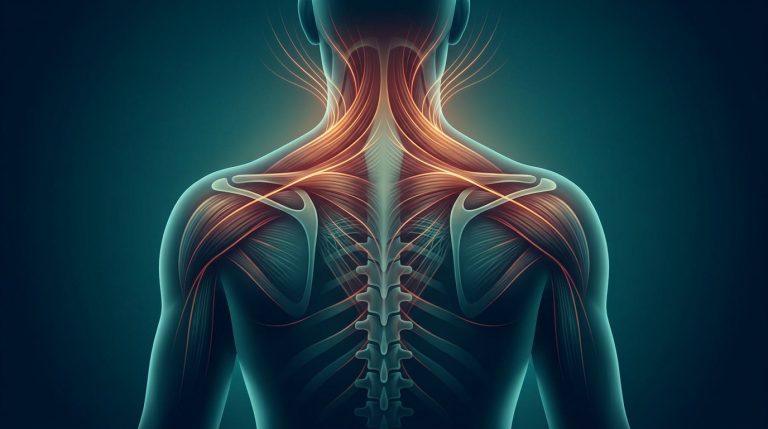
Tension in the muscles of the neck, shoulders, and upper back is a well-known cause of what are called “tension headaches.” However, even if you have a different diagnosis, tight muscles can still play a significant role. This tension can be caused by poor posture, stress, or repetitive movements, leading to trigger points that refer pain directly to the head and temples.
4. Hormonal Imbalances
This is a particularly significant factor for women due to the drastic hormonal fluctuations that occur throughout the menstrual cycle. When these hormonal shifts do not happen smoothly, they can trigger headaches or migraines, often at predictable times of the month. Imbalances in estrogen and progesterone are common culprits.
A Personalized Approach to Treating Headaches and Migraines
The success of any treatment plan depends on an accurate diagnosis of all the contributing factors, which will differ for every individual. Once the root causes are identified, treatment can be tailored accordingly.
For TMJ-Related Issues
Treatment involves addressing the muscles in the jaw and neck area and increasing your awareness of jaw habits. Do you clench your teeth during the day? While daytime habits can be modified, nighttime grinding is harder to control. Improving sleep quality can sometimes reduce symptoms, but often, a specialized orthopedic splint is required to fully address the problem.
For Histamine Intolerance
The focus is on healing the digestive system and intestines, accurately diagnosing food sensitivities, and temporarily removing high-histamine foods from your diet. This helps reduce the overall histamine load on your body, allowing it to recover.
For Chronic Muscle Tension
Direct treatment of the affected muscles is necessary. A crucial part of the therapy is identifying the daily postures and habits that cause or worsen the pain. Learning how to sit and move correctly, especially during work, can prevent the tension from recurring and provide long-term relief.
For Hormonal Imbalances
A precise diagnosis of the specific type of imbalance is the first step. Treatment can then involve a combination of herbal medicine, targeted supplements, nutritional adjustments, and, in some cases, bio-identical hormones to restore balance.
The Path to Lasting Relief
Finding freedom from chronic headaches and migraines is not about finding a single magic bullet, but about uncovering the unique combination of factors affecting your body. By identifying and addressing your specific root causes, you empower your body to heal and function at its best. For any new, severe, or persistent headache, it is always essential to consult with a healthcare professional to rule out serious underlying conditions.