

In Brief: Key Takeaways
Pain: Your Body’s Complex Alarm System
Pain is more than just a physical sensation; it’s a message from your body that something is wrong. While acute pain from an injury is straightforward, chronic pain is often a complex issue stemming from a combination of factors. As we explored in Part 1, stress is a major contributor to structural and orthopedic problems. However, the experience of pain itself is usually the result of an overload from three interconnected types of stressors: mental, structural, and biochemical.
The Three Pillars of Stress-Induced Pain
To effectively address chronic pain, we must look at the total load on our system. Understanding how these three pillars contribute can provide a clear path toward relief.
1. Mental and Emotional Stressors
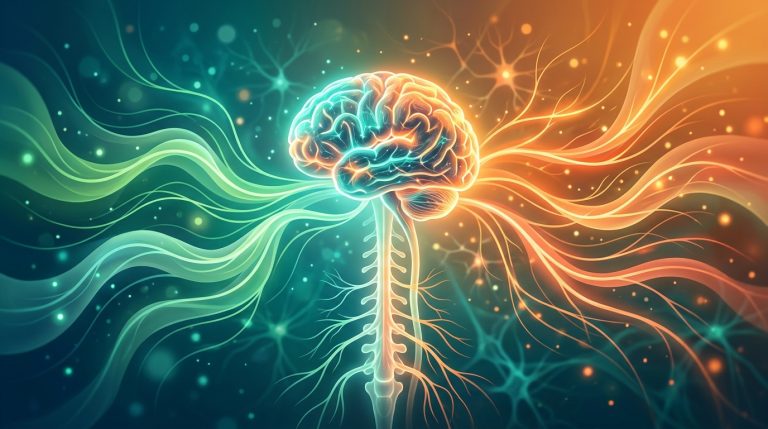
Psychological stress from work, relationships, or financial worries keeps the nervous system in a state of high alert. This not only causes the chronic muscle tension that leads to structural problems but also makes the nervous system more sensitive to pain signals. When you’re mentally stressed, your pain threshold can lower, meaning you perceive pain more intensely. It’s a cycle where stress causes physical tension, and the resulting pain causes more mental stress.
2. Structural Stressors
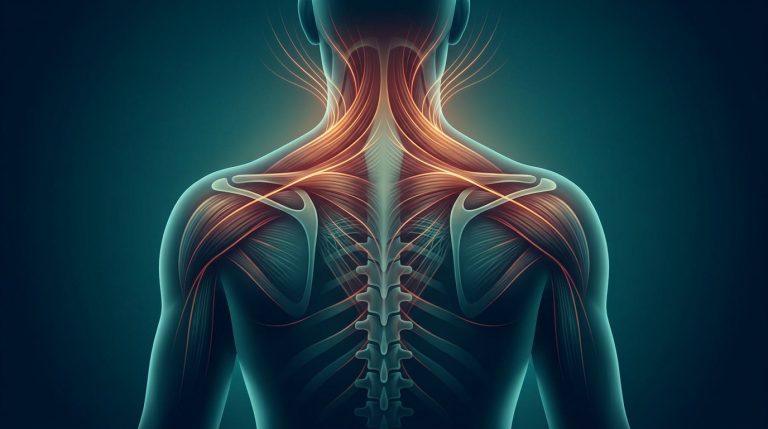
As detailed in the first part of this series, structural stressors are physical forces that create imbalances in the body. These include poor posture, repetitive movements, lack of exercise, and old injuries. The constant muscle contraction from the body’s stress response is a primary driver here. This leads to tight muscles, restricted fascia, and trigger points, all of which are direct sources of pain and contribute to joint and nerve compression.
3. Biochemical Stressors
Biochemical stress refers to internal, chemical processes that disrupt your body’s balance and often lead to systemic inflammation – a key driver of chronic pain. Common biochemical stressors include:
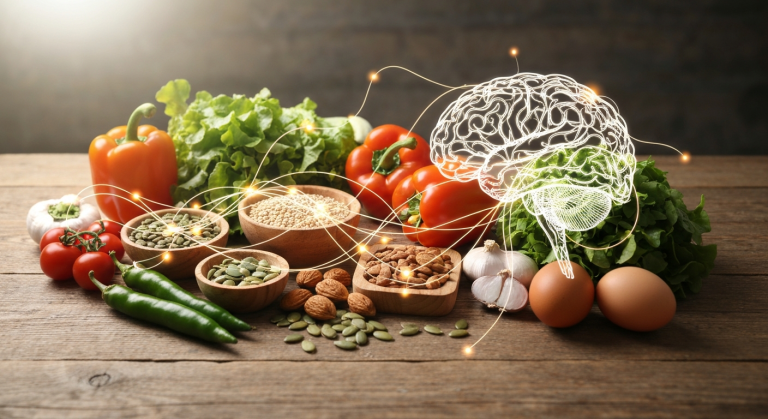
- Food Sensitivities or Allergies: Eating foods your body reacts to can trigger a widespread inflammatory response.
- Nutrient Deficiencies: A lack of essential nutrients, such as anti-inflammatory Omega-3 fatty acids, can impair the body’s ability to manage inflammation.
- Gut Imbalances: An unhealthy gut microbiome (dysbiosis) is a major source of chronic, low-grade inflammation that can manifest as pain anywhere in the body.
- Toxin Exposure: Environmental toxins from pollution, pesticides, or plastics can overwhelm the body’s detoxification systems and promote inflammation.
- High Histamine Levels: For some individuals, histamine intolerance can cause a variety of symptoms, including body-wide pain and inflammation.
Individual Sensitivity and Your Unique Needs
It’s important to remember that every person is a unique individual. Why does one person develop chronic pain from stress while another doesn’t? The answer often lies in our unique biological makeup. According to Dr. Ben Lynch, an expert in epigenetics, our genes influence how we respond to diet, lifestyle, and our environment. This helps explain why stressors affect each of us differently. Understanding your unique predispositions can be a key part of a personalized health strategy to manage pain. While not yet scientifically validated, clinical experience has shown certain diagnostic methods to be highly effective in identifying these individual needs when applied correctly.
Addressing chronic stress and pain requires a holistic approach that considers all these factors. By reducing your total stress load – mental, structural, and biochemical – you give your body the opportunity to heal and restore balance. For personalized guidance, it is always recommended to consult with a qualified practitioner.