
In Brief: Key Takeaways
Introducing Your Two Autonomic Nervous Systems
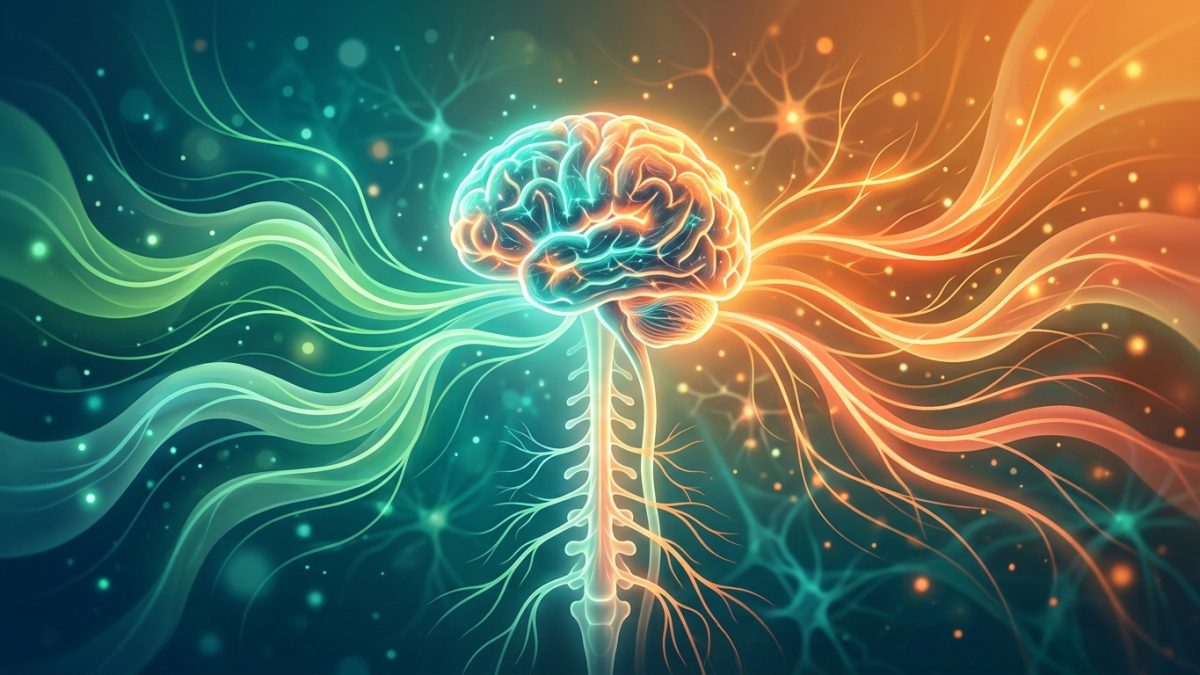
Did you know that your body operates using two distinct, yet interconnected, nervous systems? These systems work behind the scenes to manage your body’s essential functions. Evolutionarily, one is designed for calm and recovery, while the other is built for emergencies. Understanding the difference is the first step toward taking control of your health and managing the effects of modern stress.
The ‘Rest and Digest’ System (Parasympathetic)
The first system is called the parasympathetic nervous system, often known as the “rest and digest” system. As its name suggests, this system is responsible for the body’s housekeeping and maintenance tasks. When the parasympathetic system is active, your body can focus on crucial functions like digesting food, repairing damaged DNA, healing injuries, and restoring cells. From an evolutionary perspective, this should be our dominant state, active for the majority of our day. It is the state in which the body heals and rejuvenates itself.
The ‘Fight or Flight’ System (Sympathetic)
For emergencies, your body has a second system: the sympathetic nervous system, or the “fight or flight” response. This system activates the moment we perceive a threat, whether real or imagined. Historically, this meant life-threatening dangers like a predator or a natural disaster, requiring a rapid, powerful response. Activating the “fight or flight” system triggers a cascade of physiological changes designed for survival. Blood flow is redirected to the brain for quick decision-making and to the muscles for strength and speed. To conserve energy for the immediate threat, all non-essential processes – including digestion and cellular repair – are put on hold.
The Modern Stress Problem: A System Imbalance
Evolutionary logic dictates that the “fight or flight” system always takes priority. After all, surviving an immediate threat is more urgent than digesting lunch. Once the danger passes, the body is meant to have ample time to switch back to “rest and digest” mode to repair any damage. The problem is that in our modern world, this system is triggered not by life-threatening events, but by chronic stressors: a difficult boss, traffic jams, financial worries, or emotional distress. Many of us are exposed to these triggers daily, sometimes for months or even years on end.
This creates a dangerous imbalance. When the body remains in a prolonged state of “fight or flight,” it constantly depletes its resources without having the chance to rest, restore energy, and repair cellular damage. The essential processes of the “rest and digest” system are chronically suppressed, which can lead to a wide range of health issues over time. In Part 2 of this series, we will explore practical strategies to calm your stress response and reactivate your body’s healing ‘rest and digest’ mode.