

In Brief: Key Takeaways
The Connection Between Stress and Frequent Illness
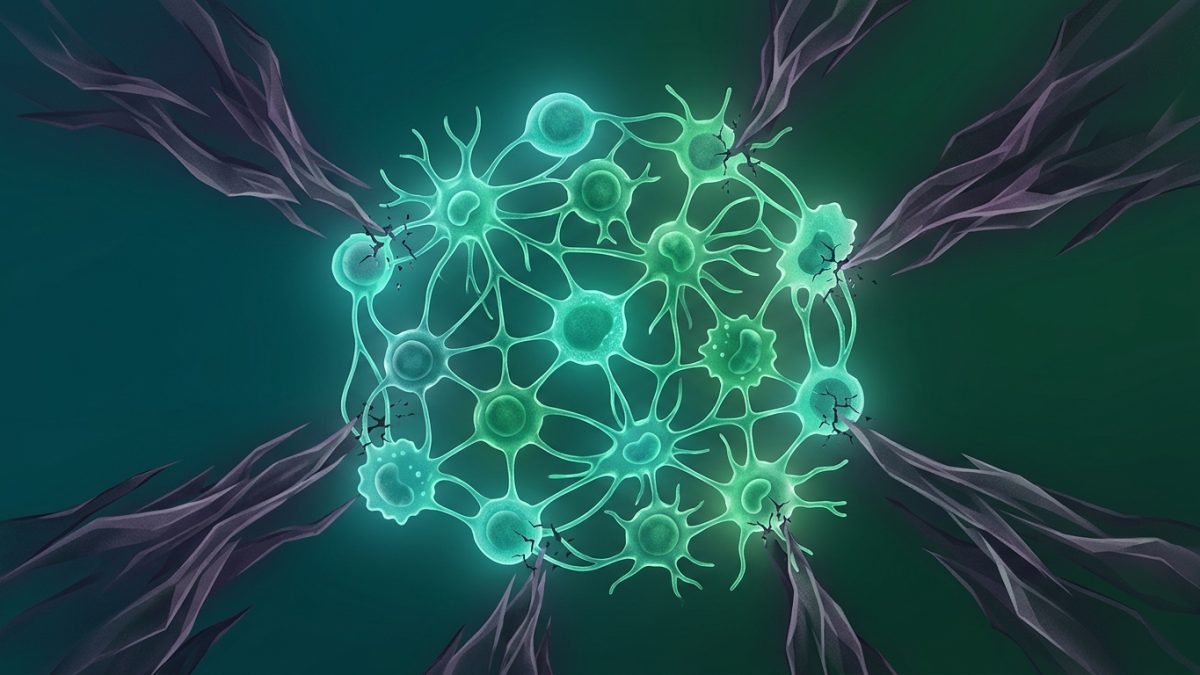
Beyond its role in chronic disease, persistent stress also has a profound impact on your body’s ability to fight off acute illnesses. When your body is stuck in a ‘fight or flight’ mode, the immune system is one of the first systems to be compromised. Chronic stress suppresses immune function, leaving you vulnerable to infections from bacteria and viruses. If you find yourself catching every cold that goes around or struggling to shake off illnesses, underlying stress is very likely a major contributing factor.
Acute infections often arise simply because the immune system has been weakened. This creates a cycle where the body is not only dealing with the primary stressors but also the additional burden of fighting off opportunistic pathogens.
A Balanced Approach to Treating Acute Infections
When you do get sick, it’s important to approach treatment thoughtfully, considering both short-term relief and long-term health. While conventional medicine offers powerful tools, they are not always the best first choice for every situation.
The Role and Risks of Conventional Medications
Conventional drugs, particularly antibiotics, can be life-saving and are highly effective against bacterial infections. However, they come with significant side effects that can worsen your overall health in the long run. For example, antibiotics are indiscriminate – they kill the harmful bacteria causing the infection, but they also wipe out the beneficial bacteria in your gut microbiome.
This disruption to your gut flora can worsen existing digestive issues and contribute to the very conditions linked to stress, such as high blood pressure, obesity, anxiety, and diabetes. It can create a vicious cycle where the treatment for one problem inadvertently fuels others.
Prioritizing Natural Support
For this reason, it is often preferable to first treat acute illnesses with natural approaches that support the body’s own healing mechanisms. These methods can be highly effective, especially for mild to moderate conditions, without the harsh side effects of chemical drugs. Conventional medications should be reserved for severe cases where they are truly necessary.
It’s important to remember that individual needs vary, and any treatment plan should be discussed with a qualified practitioner who can provide personalized guidance.
The Ultimate Solution: Addressing the Root Cause
While managing acute infections is important, the most powerful strategy for long-term health is prevention. By identifying and addressing the root stressors in your life – whether they are mental, structural, or biochemical – you can naturally strengthen your immune system. A resilient immune system is your best defense against future infections. Focusing on the root cause not only helps you avoid getting sick as often but also breaks the cycle of stress and illness, paving the way for lasting wellness.