
In Brief: Key Takeaways
Understanding Your Body’s Total Stress Load
Orthopedic problems and pain can often be a direct result of stress. But to understand how, we first need to recognize that “stress” isn’t just a feeling. Your body’s total stress load is a cumulative result of all the different stressors acting upon it. These can be categorized into three main types: mental/emotional, structural (related to muscles and fascia), and biochemical (the internal processes of your body). While pain often results from a combination of all three, many common orthopedic problems begin with structural stressors.
The “Fight or Flight” Response and Your Muscles
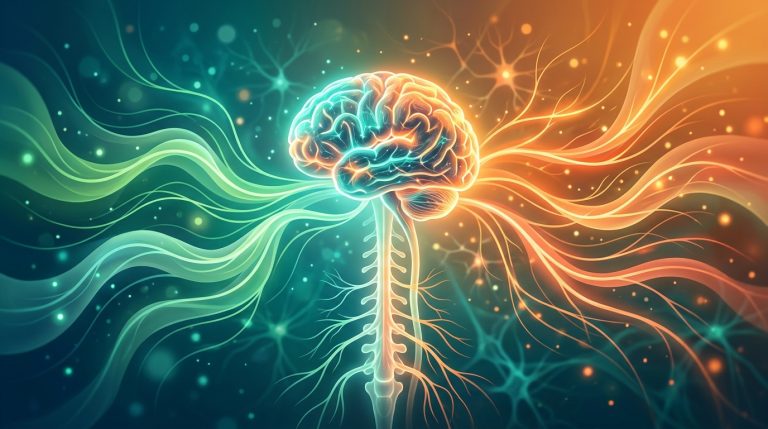
When you experience any form of stress, your body activates the sympathetic nervous system, also known as the “fight or flight” response. From an evolutionary perspective, this system is designed to give us the best chance of survival in life-threatening situations, like escaping a predator or fighting an enemy. To prepare for this, your body undergoes several physiological changes:
- Blood flow is redirected to the brain and major muscle groups.
- Muscles enter a state of “high alert,” maintaining a constant, low-level contraction.
- All non-essential processes, such as digestion, repair, and restoration, are temporarily halted.
In the modern world, our stressors are rarely life-threatening – a looming deadline, traffic, or financial worries – but our bodies react with the same ancient survival mechanism. This means that under chronic stress, our muscles remain in a state of constant tension, which is a primary driver of many orthopedic problems.
The Two Types of Orthopedic Problems
Orthopedic issues generally fall into one of two categories:
- Congenital Problems: These are issues you are born with, such as structural abnormalities like scoliosis or an extra rib. For these conditions, the focus of treatment is typically on managing and preventing pain through ongoing care.
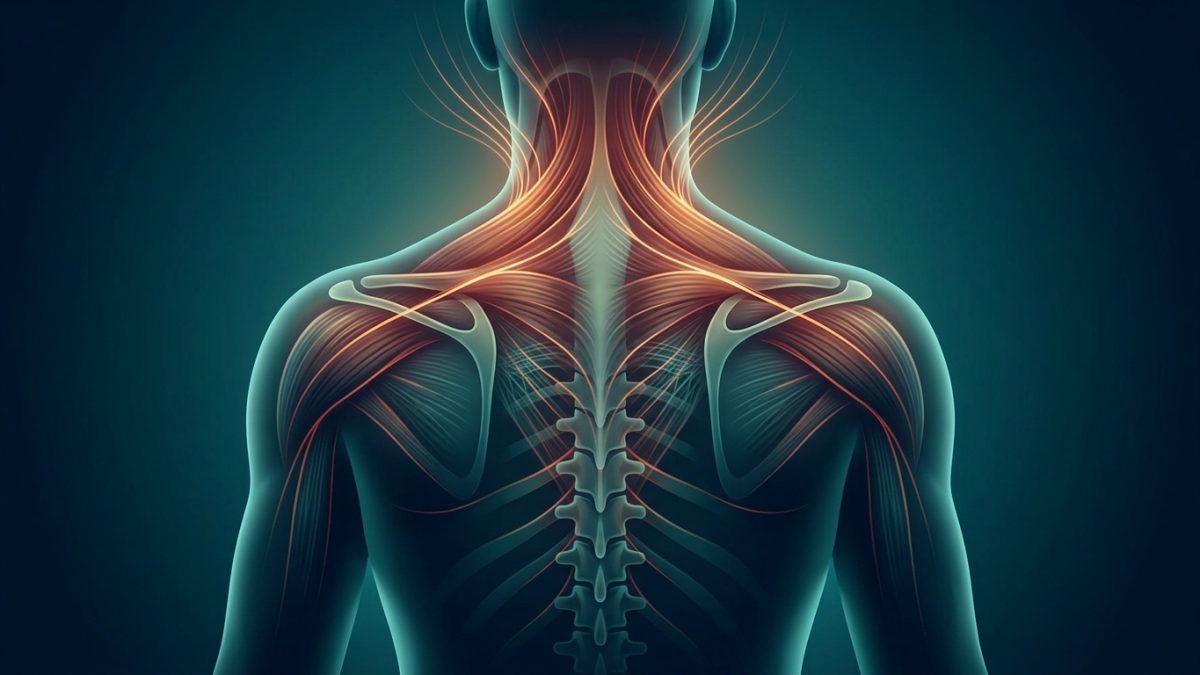
- Acquired Problems: These issues develop over time within the muscles and fascia. They include shortened or weakened muscles, trigger points (knots), and a loss of fascial flexibility. The vast majority of these problems are caused by chronic stress and the improper or excessive use of our musculoskeletal system.
How Acquired Problems Develop from Stress
The imbalance created by acquired muscle and fascia issues does more than just cause pain. It places improper and uneven load on your joints, leading to the wearing down of cartilage and resulting in painful, limited movement. To prevent irreversible damage to the joints and vertebrae of the spine, it’s crucial to rehabilitate the muscles and fascia. This involves not only treatment but also learning how to prevent or balance the overuse and incorrect use that caused the problem in the first place.
Common Stressors That Cause Orthopedic Problems
The constant muscle contraction from the “fight or flight” response is a major factor, but it’s often combined with other structural stressors from our daily lives. The most common contributors to acquired orthopedic problems include:
- Prolonged Sitting: Even with perfect posture, sitting for long hours is a major stressor. It becomes even worse with a poor or unsuitable posture.
- Lack of Movement: A sedentary lifestyle weakens muscles and reduces the flexibility of the fascia.
- Incorrect Movement Patterns: This can be anything from running with improper arm swing to playing tennis without a proper warm-up.
- Repetitive Strain: Overuse from repetitive motions at work is a frequent cause. Examples include knee problems from standing in high heels, wrist issues from prolonged computer use, or elbow pain in bartenders from shaking drinks.
- High-Level Sports: Intense athletic activity can become a stressor if it isn’t supported by appropriate nutrition, maintenance treatments, and targeted supplementation.
These factors often lead to the most common stress-related orthopedic complaints, such as chronic neck and back pain. Addressing these issues requires a holistic approach that considers the root causes, not just the symptoms. Please note that results can vary by person, and it’s always best to consult a practitioner for personalized guidance.