

In Brief: Key Takeaways
Is Sitting the New Smoking?
You’ve likely heard the slogan: “Sitting is the new smoking.” In our modern society, it’s easy to spend most of the day seated. We sit at work, in the car or on the bus during our commute, and then we come home to sit down for dinner, meet friends at a café, or relax in front of the television. This prolonged sitting, a key feature of a sedentary lifestyle, has profound health implications.
Recent studies have established a strong link between excessive sitting and numerous health problems, including obesity, type 2 diabetes, high blood pressure, and chronic back pain. What’s more, researchers have discovered that the risks associated with a sedentary lifestyle are distinct from those of simply lacking physical activity. This means that even if you exercise regularly, spending the majority of your day in a chair can still be detrimental to your health.
Taking Control: How Lifestyle Choices Shape Your Health
The choice to sit less is a powerful lifestyle intervention that supports your body’s innate ability to maintain health. This principle aligns with the field of epigenetics – the science of how your environment and behaviors can influence how your genes work. Making a conscious choice to reduce sedentary time is one powerful way to send positive signals to your body and support its optimal function, moving you toward a life of vitality and energy.
Practical Strategies to Sit Less and Move More
The solution is simple in principle: whenever you aren’t required to sit, stand up and move. Even small changes can have a significant cumulative effect on your well-being.
At the Office
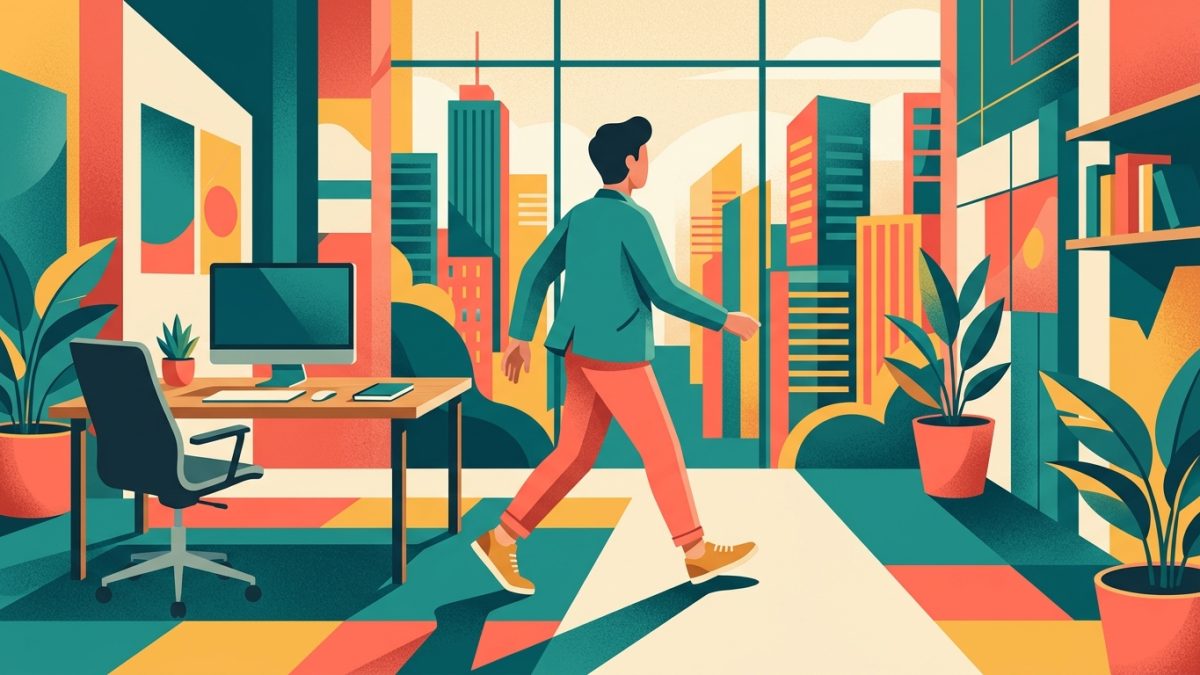
For those who work at a computer all day, integrating more movement can seem challenging, but several effective solutions exist. Consider an adjustable desk that allows you to alternate between sitting and standing throughout the day. Standing is generally a healthier posture than sitting, as it engages more muscles. You can also set a timer to remind yourself to stand up, stretch, and walk for a few minutes every hour. Opt for walking meetings or take phone calls while standing to break up long periods of sitting.
At Home and Beyond
Incorporate more movement into your leisure time. Stand up and walk around during television commercials, pace while talking on the phone, or choose active social gatherings, like a walk in the park instead of sitting at a coffee shop. The goal is to interrupt long periods of sitting as often as possible.
A Word of Caution: Listen to Your Body
While increasing your standing time is beneficial, it’s crucial to pay attention to your body’s signals. If you experience pain in your back, legs, or feet while standing, it may be a sign of underlying posture problems. Ignoring this discomfort can lead to more serious issues with your spine and joints over time.
If standing causes you pain, it is highly recommended to consult a professional, such as a physiotherapist or chiropractor, to diagnose and treat the root cause. Remember, every individual is unique, and a personalized approach is essential for creating sustainable, healthy habits that support your long-term health goals.
Next in the series: Longevity Secret #3: The Life-Changing Power of Correct Breathing