
In Brief: Key Takeaways
Are You Breathing Correctly? A Quick Self-Assessment
We breathe 24/7 without a second thought, but when was the last time you truly paid attention to how you breathe? Let’s try a quick experiment right now. Take a deep breath and notice the following:
- When you inhaled, did your belly move out or pull in?
- Did your shoulders rise up toward your ears?
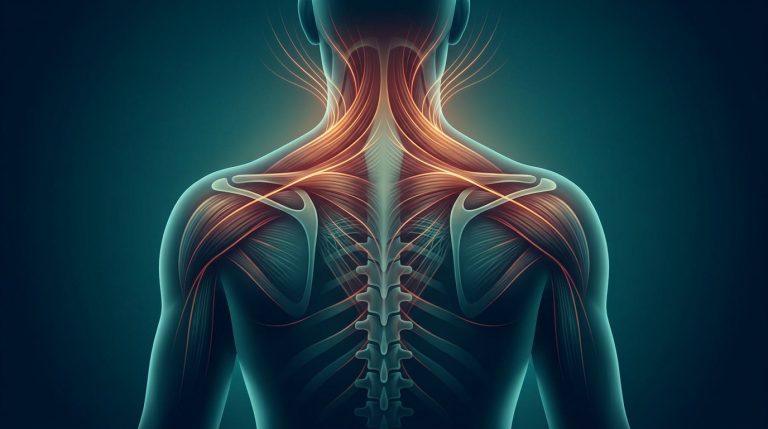
- Did you feel tension or engagement in your neck muscles?
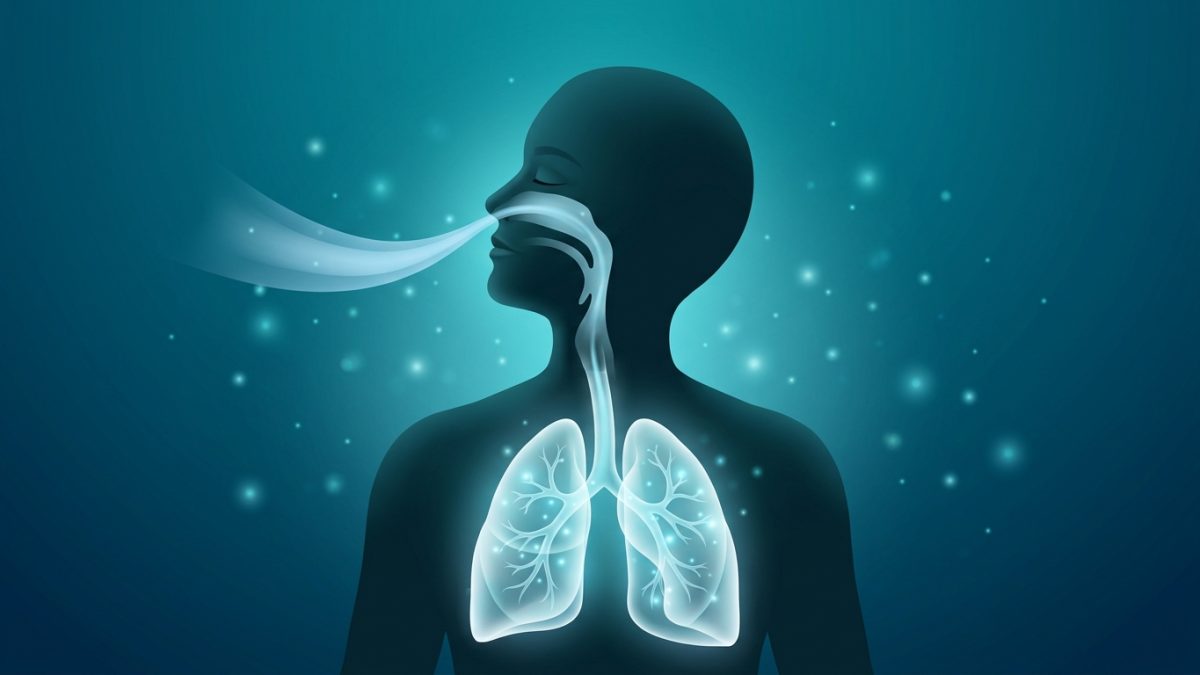
Based on my clinical experience, I estimate that at least 80% of people do not breathe correctly. More importantly, most people no longer even know what correct breathing is supposed to feel like. For a proper, healthy breath, your belly should expand outward on the inhale, your shoulders should remain relaxed, and your neck muscles should not be involved at all.
Why Have We Forgotten How to Breathe Properly?
Correct, deep breathing can only occur when the abdomen is relaxed, allowing it to expand as the diaphragm lowers on an inhale. When we habitually hold our stomach in, our breathing pattern becomes disrupted over time. There are two common reasons for this.
The Influence of Body Image
Many of us have been conditioned to hold in our stomachs to look thinner or more toned. This constant, often unconscious, tension in the abdominal muscles physically blocks the diaphragm from moving freely, forcing the body to compensate by using smaller, less efficient muscles in the chest and neck to breathe.
The Impact of Chronic Stress
Mental and emotional stress also plays a crucial role in disrupting our natural breathing. When we are under stress, the body’s fight-or-flight response causes us to tense various muscles without realizing it. The abdominal muscles are frequently affected, leading to the same shallow, constricted breathing pattern caused by body image concerns.
The Health Consequences of Improper Breathing
When you don’t breathe correctly, your breathing becomes shallower. This has significant consequences for your physical and mental health. A shallow breathing pattern means less oxygen reaches your tissues and, critically, your brain. This can directly contribute to and worsen feelings of anxiety and make it difficult to maintain focus and concentration.
Furthermore, dysfunctional breathing is a major contributing factor in many chronic pain syndromes, including fibromyalgia, as it keeps the nervous system in a state of high alert. It is also closely linked to chronic fatigue, as inefficient oxygen exchange robs the body of essential energy.
Reclaiming Your Natural Breath for a Healthier Life
The way you breathe is a powerful lever for your health. It directly influences your nervous system, stress levels, and the oxygenation of every cell in your body. By relearning to breathe correctly, you send a constant signal of safety and calm throughout your body, which is a cornerstone of long-term health and longevity. Becoming aware of your current breathing pattern is the critical first step. While personalized guidance can be beneficial for making lasting changes, understanding these principles empowers you to begin the journey back to your body’s natural, healing rhythm.
Next in the series: Secret #4 for a Long Life: The Power of Quality Sleep