
The Importance of Movement (Part 1): An Evolutionary Perspective

Discover the evolutionary importance of movement for your health. Learn how our bodies are designed for activity and why a sedentary lifestyle leads to chronic disease.
Reading comfort
In This Article

In Brief: Key Takeaways

Human bodies evolved over millions of years for a hunter-gatherer lifestyle requiring constant movement.
Our health depends on activities we are evolutionarily adapted to, like walking, running, and squatting.
Lack of movement leads to stiff muscles, trigger points, and loss of fascia flexibility, causing pain and limited mobility.
A sedentary lifestyle is a major risk factor for chronic diseases, including heart disease, diabetes, and certain cancers.
The World Health Organization links physical inactivity to millions of preventable deaths annually worldwide.

An Evolutionary Perspective on Movement

For millions of years, the human body evolved in an environment that demanded constant activity. Our ancestors were hunter-gatherers, and their daily survival depended on movement. A typical day involved walking long distances to gather food, hunt, and move between territories.

Our entire physiology – from our muscles and joints to our metabolic systems – is built for a life of motion. We are evolutionarily designed to walk, run, squat, and carry. These are the activities our bodies not only expect but require to function optimally.

What Does It Mean to Be Adapted to Movement?

Evolutionary adaptation means that our well-being and health are fundamentally tied to the presence of the conditions we adapted to. When a crucial element like movement is missing, our health inevitably suffers.

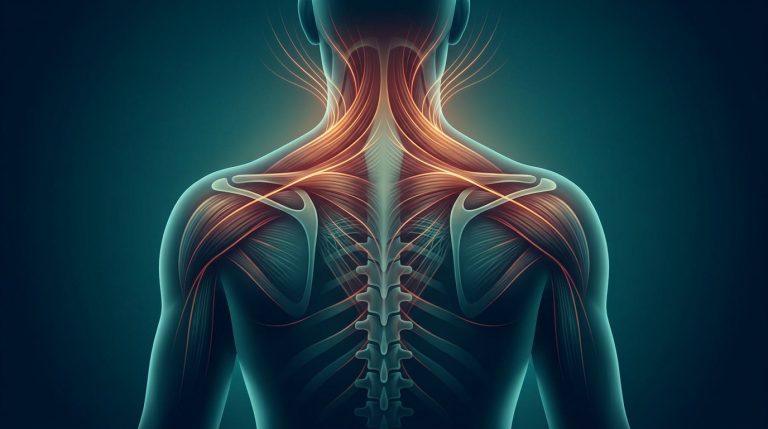
For the musculoskeletal system, this means our muscles and joints can only remain healthy and pain-free when they receive sufficient, varied movement. Without it, the system begins to break down. Muscles become tight and seized, painful trigger points develop, and the fascia – the connective tissue web that surrounds our muscles – loses its flexibility. The result is often pain and restricted movement.

The Health Risks of a Sedentary Lifestyle

Beyond localized pain, a sedentary lifestyle is linked to a wide range of serious chronic diseases. Research has clearly connected inactivity to heart disease, type 2 diabetes, colon cancer, osteoporosis, depression, and anxiety.

According to the World Health Organization (WHO), a sedentary lifestyle increases all-cause mortality. Physical inactivity is a leading global health risk, contributing to millions of deaths each year. Therefore, the general recommendation is to be as physically active as possible throughout your daily life. Because every person is unique, it’s always best to consult with a qualified practitioner for personalized guidance on the right type of movement for you.

Frequently Asked Questions

Our bodies evolved over millions of years for a hunter-gatherer lifestyle that required constant motion like walking, running, and squatting. Our muscles, joints, and metabolic systems are genetically programmed to expect and need this activity to function correctly and remain healthy.
Common early signs include muscle stiffness, especially after periods of rest, developing tight knots or ‘trigger points’ in your muscles, and a general feeling of reduced flexibility. Over time, this can lead to chronic pain and limited range of motion.
While exercising is crucial, prolonged sitting has its own distinct health risks. It’s linked to metabolic issues like poor blood sugar control and increased risk of heart disease. It’s important to both exercise regularly and break up long periods of sitting throughout the day.
According to the World Health Organization, physical inactivity is a major risk factor for chronic conditions like heart disease, stroke, type 2 diabetes, and certain types of cancer (like colon cancer). It also increases the risk of depression, anxiety, and all-cause mortality.
While you should always consult a practitioner for personalized advice, the right kind of movement is often essential for healing joint pain. Inactivity can cause stiffness and weaken supporting muscles, making pain worse. Gentle, consistent movement helps lubricate joints and strengthen the musculoskeletal system.
Share