
In Brief: Key Takeaways
Why Do My Muscles Hurt?
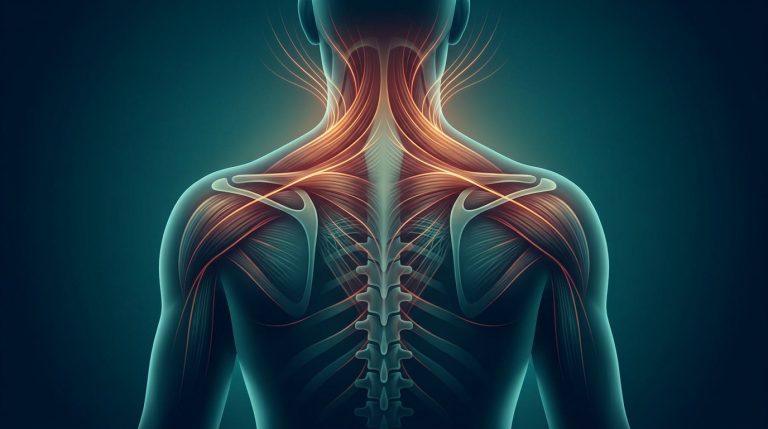
Aching muscles are a clear signal from your body that something is amiss with how you are using them. Whether from a lack of movement, incorrect movement patterns, or excessive strain, if you are experiencing pain in your muscles or fascia, it’s a sign that your current habits are not serving your body well.
This article is part of our series on the importance of movement, so our primary focus will be on pain related to physical activity. However, it’s crucial to understand that pain is often multifactorial. According to George Goodheart’s Health Triangle, a foundational concept in the Zofia Method, our well-being is influenced by three interconnected areas: the musculoskeletal system, our emotional state, and our internal biochemistry.
Understanding the Three Sources of Pain
The Health Triangle illustrates that while pain can originate in the movement system, it can also be triggered by emotional factors like stress and loneliness, or by biochemical imbalances such as an Omega-3 deficiency or high levels of tissue toxicity. A truly holistic approach considers all three aspects. Here, we will provide practical advice on how you can prevent pain originating from the movement system.
Three Strategies to Prevent Movement-Related Pain
By incorporating a few key habits into your routine, you can significantly reduce the risk of developing movement-related aches and pains.
1. Integrate More Movement into Your Daily Life
Move as much as possible throughout the day, and prioritize activities that you find enjoyable. If you have children, play with them at the park, at home, or in the pool – the more, the better! Choose the stairs over the elevator and leave the car at home for short trips. Walking, in particular, is the form of movement to which we are best adapted from an evolutionary perspective, making it a foundational activity for health.
2. Boost Cardiovascular Health with HIIT
To build cardiorespiratory endurance efficiently, consider High-Intensity Interval Training (HIIT). Research shows that workouts combining short, 20-second bursts of high-intensity activity with 2-minute periods of light activity yield the same cardiovascular benefits as 150 minutes of continuous moderate exercise per week. This means the common excuse of “not having enough time” is no longer a barrier. All you need is nine minutes, three times a week, to make a significant impact.
3. Counteract the Effects of a Sedentary Job
If you work at a desk or in front of a computer, it is vital to find ways to avoid being stationary for long periods. One effective option is to get up every 20-30 minutes to do a few simple exercises or stretches; many smartphone apps are available to remind you. An even better solution for many people is to use an adjustable standing desk. This allows you to easily alternate between sitting and standing throughout the day, promoting better posture and reducing the strain of prolonged sitting.
A Holistic Approach to a Pain-Free Life
Preventing pain is about creating a lifestyle of smart, consistent, and enjoyable movement. By embracing daily activity, incorporating efficient workouts like HIIT, and breaking up long periods of sitting, you provide your body with the physical support it needs to thrive. Remember, this is one crucial piece of the wellness puzzle. For a comprehensive approach to health, it’s important to also address your emotional and biochemical well-being. As every individual is unique, it’s always best to consult with a qualified practitioner for personalized guidance.