

In Brief: Key Takeaways
The Foundational Importance of Daily Movement
From an evolutionary perspective, the human body is designed for movement, particularly for walking long distances. To maintain the health of our muscles and fascia and prevent pain, we must stay active. I believe that walking or slow jogging is the most suitable form of movement for most people. It’s also a wonderful social activity; instead of meeting for coffee, consider a “walk and talk” with friends or family in a local park.
Walking and running, when done correctly, engage nearly every muscle in the body in an ideal way. The key is to not interfere with the body’s natural coordination. When you disrupt this natural movement pattern, some muscles underwork while others must overcompensate, leading to strain and injury over time.
How Improper Form Can Lead to Pain
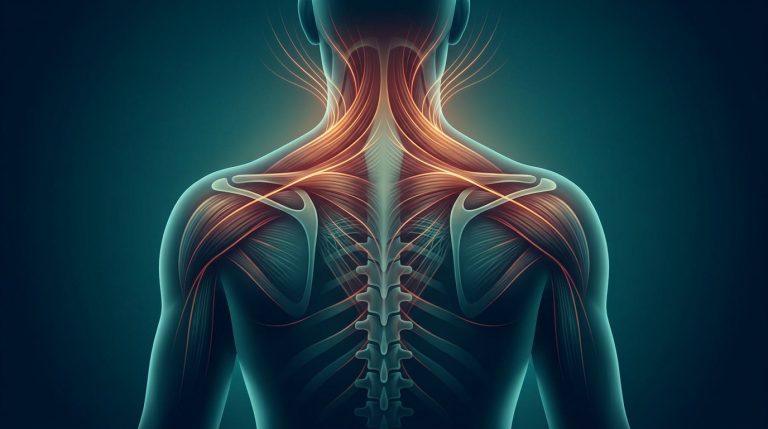
For example, your arms and shoulders are meant to participate fully in the walking and running motion. When this movement is restricted – perhaps because you’re wearing a backpack, holding a wallet, or even just carrying a phone in your hand – pain can develop, especially in the lower back.
Conversely, walking or running with proper, relaxed coordination can resolve many common aches and pains, particularly in the lower back, shoulder blades, shoulders, and neck.
The Golden Rule: Move More, Every Day
The most important principle is to incorporate as much movement as possible into your daily routine. Take the stairs instead of the elevator, walk short distances instead of driving, and play actively with your children instead of watching from a bench. The more you move, the healthier you will be.
What About Cardiovascular Fitness?
While walking is excellent for overall health, it doesn’t typically provide a significant boost to your cardiovascular fitness (also known as cardiorespiratory endurance). This type of fitness describes the ability of your heart and lungs to supply oxygen to working muscles. In simple terms, it determines how quickly you get out of breath when running up a flight of stairs or sprinting to catch a bus.
Good cardiorespiratory endurance is considered crucial for preventing a wide range of diseases, including high blood pressure, diabetes (insulin resistance), heart attack, stroke, atherosclerosis, angina, and heart failure.
How to Efficiently Improve Heart and Lung Endurance
It was once believed that only sustained, moderate-intensity exercise for at least 45 minutes, three times a week (a total of 135+ minutes), could improve cardiovascular endurance. For many, this time commitment is a significant barrier.
However, recent research shows that High-Intensity Interval Training (HIIT) can provide the same cardiovascular benefits in a fraction of the time. Studies indicate that about 30 minutes of HIIT per week can be as effective as 150 minutes of continuous, moderate exercise.
A Simple 10-Minute HIIT Protocol
Can you find 10 minutes, three times a week? The benefits are well worth the small effort. Leading HIIT researcher Martin Gibala recommends the following simple protocol:
- Warm-up (2 minutes): Begin with light movement like walking, jogging, swimming, or easy cycling. You can even jog in place at home.
- High-Intensity Interval (20 seconds): Give it your all! Sprint, swim, or cycle at your maximum possible speed. Other options include running up stairs or doing burpees.
- Active Recovery (2 minutes): Return to a light pace of walking, jogging, swimming, or cycling.
- High-Intensity Interval (20 seconds): Go all-out again for your second interval.
- Active Recovery (2 minutes): Slow down to your light recovery pace.
- High-Intensity Interval (20 seconds): Push through your final 20-second sprint.
- Cool-down (2 minutes): Finish with two more minutes of light, easy movement.
Remember, while these are excellent general guidelines, it’s always best to listen to your body and consult with a qualified practitioner to tailor an exercise plan that is right for your unique needs and health status.