
In Brief: Key Takeaways
What is Acute Pain?
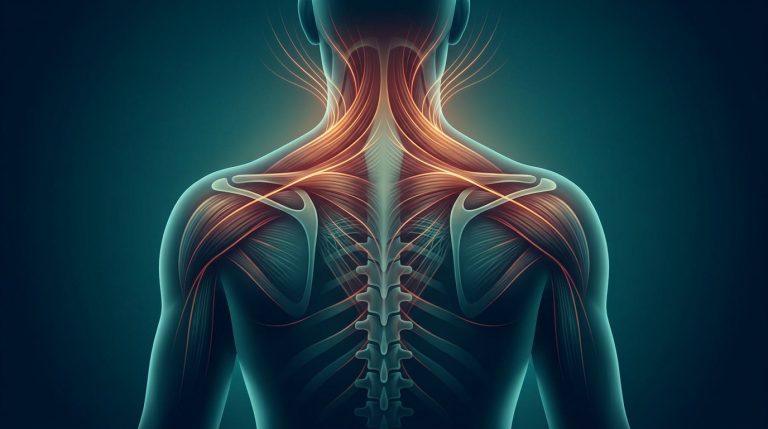
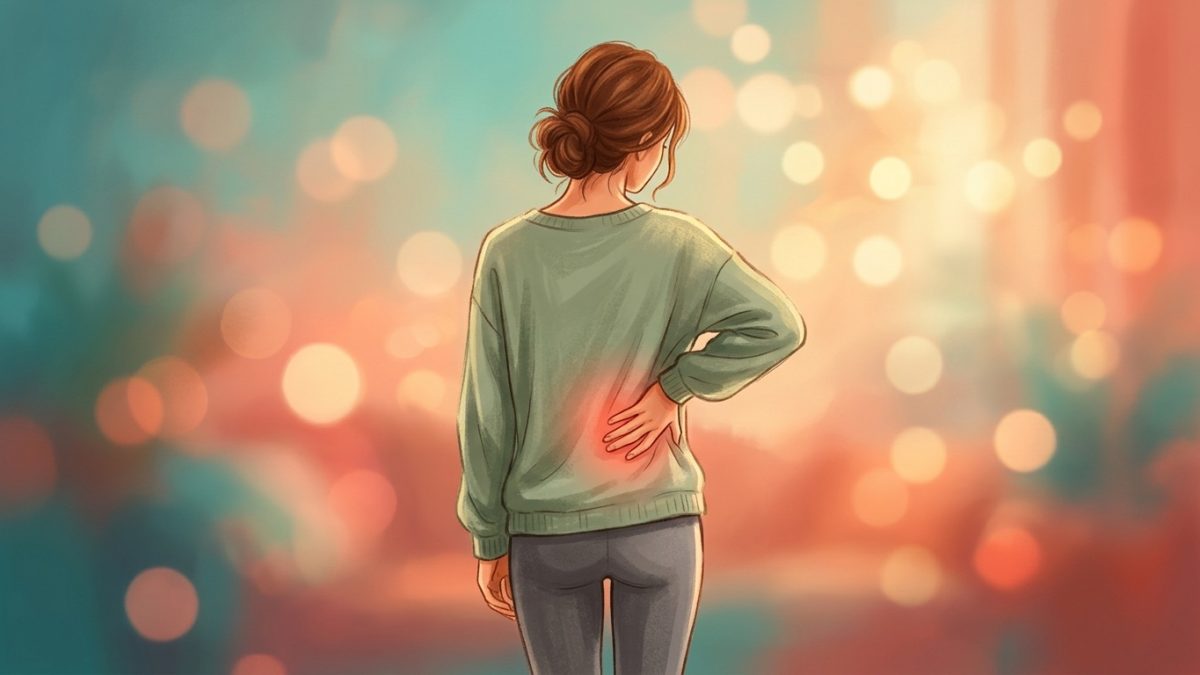
Most instances of acute pain – that is, pain that comes on suddenly – stem from issues within the muscles or the fascia (the connective tissue surrounding them). This type of pain is often the body’s direct response to a specific event, such as an accident, a fall, overexertion during physical activity, or even a simple “wrong movement” that strains the tissue.
As Hippocrates, the father of medicine, wisely advised, “Rest as soon as you feel pain.” Listening to this initial signal is the first step toward recovery.
Immediate Steps for Managing Acute Pain at Home
When you first experience acute pain, there are simple measures you can take to manage the discomfort. First, try applying gentle warmth to the area using a heating pad or a hot water bottle. This can help relax tense muscles. However, it’s important to listen to your body; if the heat feels unpleasant, try an ice pack instead, as cold can help reduce inflammation.
In parallel, try to gently move the painful area. The key is to use only light, relaxed movements within a comfortable range. This can help prevent stiffness without causing further strain.
When to Seek Professional Help for Acute Pain
While home care can be effective, it’s crucial to know when to seek professional guidance. If the pain persists for more than two to three days, or if it worsens despite your efforts, it’s time to consult a practitioner. Seeking help promptly is the most effective way to address the root cause of the pain and prevent it from developing into a chronic condition.
Specific Causes and Recommended Actions
Pain from Overexertion
If your pain is the result of pushing yourself too hard – for example, running 10 kilometers when you’re used to 3 – it’s wise to rest for a day or two. Often, the body just needs time to recover. However, if the pain doesn’t completely subside, professional treatment can help release trigger points and tension in the muscles and fascia, accelerating your recovery.
Pain from an Accident, Fall, or “Wrong Movement”
In cases of a sudden injury from a fall, accident, or an awkward movement, it is highly recommended to seek gentle, professional care. A practitioner can help your body and muscles release the shock and tension from the incident, ensuring a smoother and more complete rehabilitation process.