
In Brief: Key Takeaways
In this article I share my personal view of health and illness, shaped by years of clinical work with patients. It reflects the way I think and doesn’t replace advice tailored to you.
Understanding Health from the Inside Out
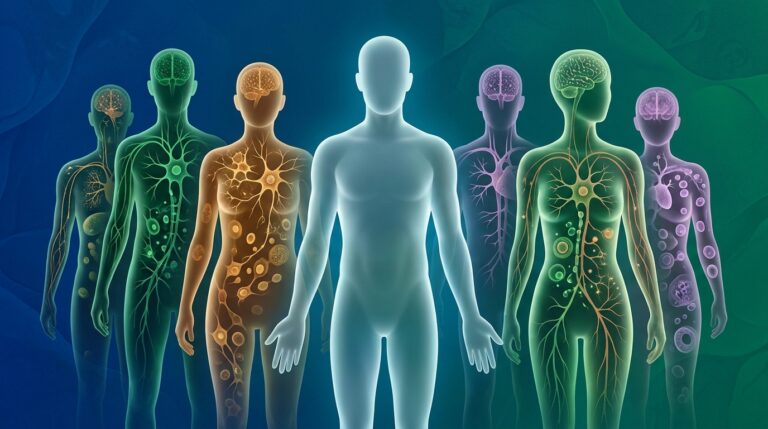
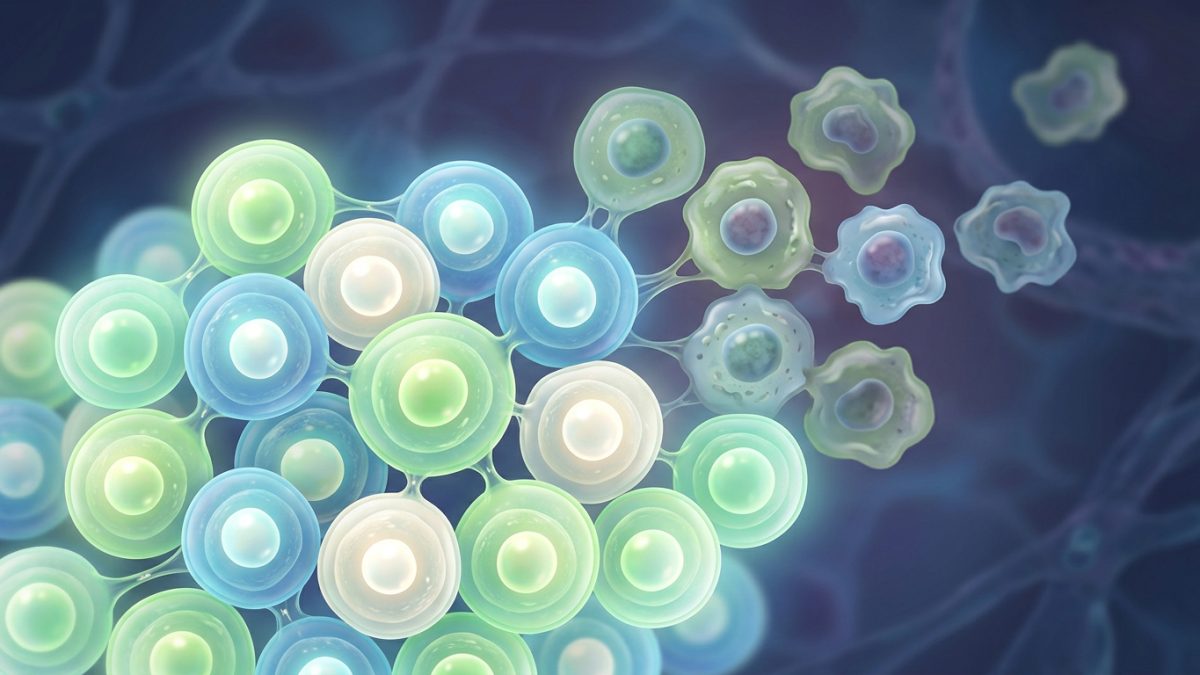
Contrary to what you might think, most diseases don’t suddenly appear. They begin quietly, deep within the body, at the cellular level. To understand how and why we get sick, we need to look at what’s happening to our cells. This isn’t a biology lesson, but rather a simple analogy to help illustrate this crucial concept: think of your body as a country and your cells as its citizens.
The Body as a Thriving Nation
In this thriving nation, trillions of citizens (your body’s cells) and even more friendly foreign workers (your microbiome) live and work together. Each has a specific job that contributes to the well-being of the whole country. Some are builders, some are cleaners, some produce essential goods like enzymes and hormones, and others are part of the defense force, identifying and eliminating invaders like harmful bacteria, viruses, and even cancerous cells.
A nation prospers when every citizen is happy, valued, and has everything they need to do their job well – including enough food, resources, and a clean environment. Similarly, your body thrives and remains healthy when every cell receives what it needs to perform its function. This includes a high-quality, sufficient supply of all the essential vitamins, minerals, and other nutrients.
How Cellular Decline Leads to Disease
Now, imagine a nation where the citizens are unhappy and deprived. They don’t have the resources to do their jobs, the environment is polluted, and they feel neglected. Instead of building and contributing, they begin to struggle, hoard resources, and create waste. This is what happens in the body when cells are consistently deprived of their needs.
A prosperous nation doesn’t turn into a failed state overnight, and a healthy body doesn’t become sick in an instant. It’s a gradual process that can take many years, marked by a slow deterioration of conditions.
Stage 1: Early Warning Signs
At first, the problems are minor. In our analogy, perhaps luxury goods become unavailable. In the body, this might manifest as subtle symptoms you can easily dismiss, like persistent fatigue or a mild dip in your mood. These are the first whispers that your cells are beginning to struggle.
Stage 2: Growing Dysfunction
As conditions worsen, more significant problems arise. The citizens have to work longer hours for less pay, and unemployment rises. In the body, this stage can bring on more noticeable symptoms like chronic pain, digestive issues, skin problems, or sleep disturbances. The essential processes that maintain health are becoming compromised because the cells are no longer able to fully contribute.
Stage 3: The Cellular Rebellion
If the decline continues, some citizens may start to think about rebellion. In the body, this is the pre-disease stage, where significant dysfunction is occurring under the surface, often without specific, diagnosable symptoms. As the situation becomes dire, the rebellion is planned and finally breaks out. This is when a disease “erupts” with clear, specific symptoms that lead to a diagnosis. Some cells, like cancer cells, act like citizens who find ways to get rich at the expense of everyone else, consuming resources and disrupting the entire nation.
What Your Cells Need to Thrive
To prevent this decline and rebellion, you must provide your cells with everything they need to function optimally. This goes beyond basic nutrition. The field of epigenetics shows us how our diet, lifestyle, and environment directly impact how our genes are expressed.
By choosing the right diet and lifestyle, you can provide your cells with the precise tools they need to function correctly. This is the key to preventing and addressing chronic conditions like heart disease, obesity, depression, anxiety, and fatigue, allowing you to live a vital life full of energy. Since every person is unique, the specific needs of your cells may differ from others, which is why personalized guidance can be so effective.
The Three Planes of Maximum Health
Achieving true, lasting health requires a holistic approach that addresses the entire “nation” of your body. Maximum health requires optimal function across three interconnected planes:
- The Biochemical Plane: This refers to the health of your cells. It means every cell and system in your body is functioning at its peak, free from nutrient deficiencies and toxic overload.
- The Structural Plane: This involves your physical body. It means having a full range of motion without any pain or restriction.
- The Psychological Plane: This is your mental and emotional state. It means experiencing a calm, stable mood, free from excessive anxiety, fear, or depression.
When these three planes are in balance, the body can maintain its natural state of health and vitality, preventing the slow decline that leads to disease.