
In Brief: Key Takeaways
When Acute Pain Has Deeper Roots
While many cases of acute pain are caused by a clear, recent event (as discussed in Part 1 of this series), sometimes the sudden pain you feel is actually the culmination of long-term, underlying issues. Two of the most significant, and often overlooked, contributors are poor posture and chronic stress. Understanding their role is essential for achieving lasting relief.
How Poor Posture Leads to Acute Pain
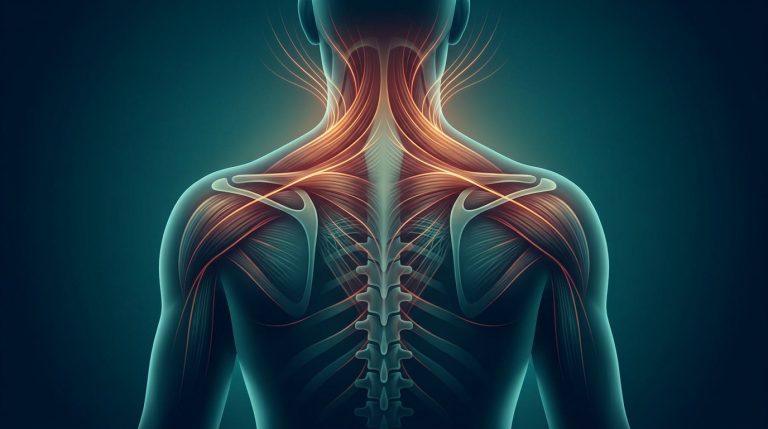
Pain that you shouldn’t ignore is pain that stems from incorrect posture. This can develop from habits like sitting for many hours in an unsuitable chair or in a slumped position. It may take a very long time before poor posture manifests as acute pain, which makes it a particularly deceptive problem.
The “Full Barrel” Principle Explained
To understand how this happens, we can use the “Full Barrel” principle. Imagine your body is a barrel that can handle a certain amount of stress. For a time, your body can compensate for the load that poor posture places on it – the barrel is filling up, but you don’t feel any pain yet. The time it takes for the barrel to fill depends on how many other stressors are also acting on your body, such as nutritional deficiencies, exposure to toxins, or mental and emotional strain. When the barrel finally becomes full and starts to overflow, you begin to suffer from the acute pain your posture has been causing all along.
From Acute to Chronic
Although this new pain is considered acute, its origin is a chronic habit, not a one-time event. Because of this, it is very likely to become chronic pain if the root causes – the posture and the other stressors filling the barrel – are not properly addressed.
The Connection Between Stress and Acute Pain
First, it’s important to understand that stress is not just the mental pressure we feel. In a broader sense, stress is anything that puts a load on the body. This includes a lack of movement, poor lifestyle habits, and even deficiencies in nutrients that are essential for the proper function of muscles, nerves, and all body systems.
The Physiology of Stress and Muscle Tension
When we are under stress, the body activates the sympathetic nervous system – our “fight or flight” response. This puts all our muscles on high alert, causing them to remain in a state of slight, constant contraction. When this system is active for too long (i.e., when stress is chronic), this constant contraction overloads the muscles, creating painful trigger points within them.
Stress Increases Your Risk of Injury
In this state of heightened muscle tension, you are at a much higher risk of falling or making a “wrong move” that leads to injury. Furthermore, if you sit for long hours each day while also being under stress, the damage is compounded. The muscles are strained by both the stress-induced tension and the sitting itself – a problem made even worse by poor posture.
A Holistic Path to Lasting Relief
To treat this situation in a deep, holistic way, you must address as many of the stressors filling your “barrel” as possible. An important rule of thumb is: the longer you wait to get treatment while continuing the habits that caused the problem, the longer it will take to relieve the pain.
Don’t ignore the signals your body is sending you! The Zofia Method for treating pain involves a variety of manual therapy techniques tailored to your individual needs. When necessary, the treatment also includes diagnosing the root of the problem and providing exercises and guidance to prevent its recurrence.