

In Brief: Key Takeaways
The Paradox of Modern Health: More Comfort, More Stress
For most of human history, the primary threats to health were harsh physical labor, a lack of calories, and poor sanitation. While these challenges persist in many parts of the world, those of us in modern society face a different reality. We have an abundance of food and most of us no longer perform strenuous physical work. Yet, we are often less healthy than we should be. The central reason for this paradox is the constant, low-grade chronic stress we experience daily.
How Your Body Responds to Stress: The Two Nervous Systems
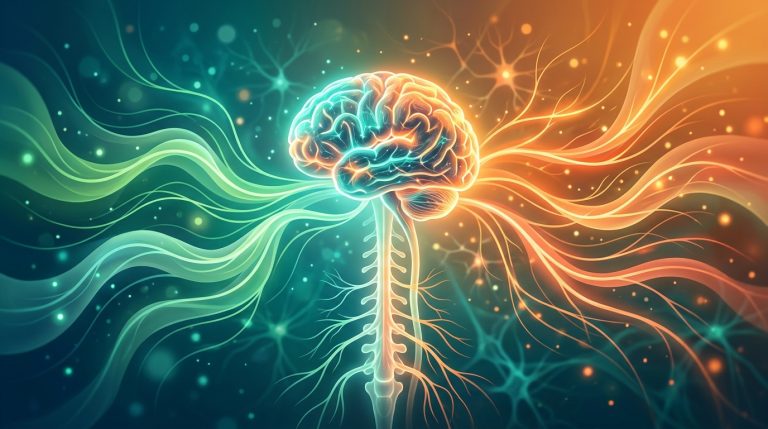
From an evolutionary perspective, the stress response is a life-saving mechanism. It’s designed to mobilize all of our internal resources to help us survive life-or-death situations. To manage this, our body uses two distinct branches of the autonomic nervous system.
The Parasympathetic System: Rest and Digest
This system is meant to be active for the majority of our day. It is responsible for crucial background tasks: proper digestion, repairing damage to DNA and cells, relaxing muscles, and restoring energy. It’s often called the “rest and digest” system, as it governs the body’s ability to heal and rejuvenate.
The Sympathetic System: Fight or Flight
The sympathetic nervous system activates the moment we perceive a threat or experience stress. This system is designed for short, infrequent bursts of activity. It’s our “fight or flight” response, intended to give us the best possible chance of surviving an encounter with a predator or a natural disaster. When activated, it prepares us to either fight for our lives or run to safety.
The Problem with Chronic “Fight or Flight”
When the sympathetic system is engaged, it diverts most of the body’s blood flow to the brain and muscles. This makes sense in a crisis, as our survival depends on thinking clearly and having the physical strength to fight or flee. However, to free up these resources, the body shuts down all processes not essential for immediate survival. This includes digestion, cellular repair, DNA maintenance, and energy restoration – the very functions governed by the parasympathetic system.
This is precisely what happens in our bodies when we feel stressed today. The problem is, our modern stressors are rarely true life-or-death events. Instead, they are persistent pressures that can last for long periods, often following us into the night. This keeps our sympathetic nervous system chronically activated, preventing our bodies from performing the essential maintenance needed for long-term health.
The Three Faces of Modern Chronic Stress
Most of us are exposed to three primary types of persistent stress, each contributing to the body’s state of high alert.
1. Mental and Emotional Stress
This is the type of stress you are likely most familiar with. It stems from meeting work demands, worrying about finances, striving for success, caring for our children, and navigating feelings of loneliness or sadness. This is the primary trigger for the sympathetic nervous system and the cascade of physiological responses that follow, including muscle tension, elevated blood pressure, and increased blood sugar and histamine levels.
2. Structural Stress
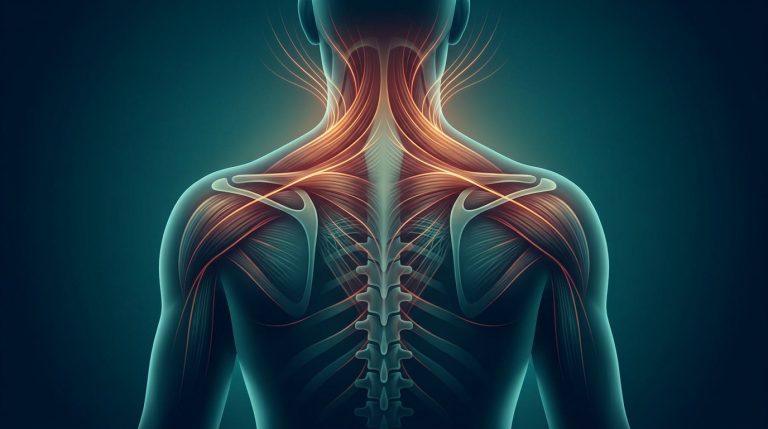
While you may not think of it as “stress,” you are likely very aware of its consequences. The human body is not designed to sit for hours a day; it’s built for movement. Prolonged sitting, especially with poor posture, creates physical stress on the body. This leads to tight, painful muscles, trigger points, and chronic pain, particularly in the area from the glutes up to the head.
3. Biochemical Stress
This is a form of stress you are probably unaware of. It is the pressure experienced by our cells when they are exposed to toxins – absorbed through our lungs, skin, and digestive tract – or when they don’t receive the essential nutrients needed to function efficiently. This cellular-level stress can disrupt everything from energy production to hormone regulation.
This is where the science of epigenetics becomes relevant. According to Dr. Ben Lynch, an expert in the field, our genes are not our fixed destiny. Instead, our diet, lifestyle, and environment send signals that influence how our genes are expressed. When our cells are under biochemical stress from toxins or nutrient deficiencies, it can lead to suboptimal genetic expression, contributing to a wide range of health disorders. Supporting cellular health is fundamental to overall well-being.
The Path Forward: From Awareness to Resilience
The first and most crucial step toward a solution is awareness. Once we understand what is causing our stress, we can begin to avoid some of those triggers. While some stressors are outside of our control, we can still learn how to support our bodies to better withstand the pressure and prevent long-term damage.
Building resilience means giving your body the specific tools it needs to thrive, which can vary greatly from person to person. This involves addressing all three types of stress: managing mental load, improving physical movement and posture, and reducing biochemical burdens through nutrition and detoxification. This is precisely the goal of the Zofia Method – to provide a personalized roadmap for supporting your body’s unique needs and restoring its natural ability to heal.