
In Brief: Key Takeaways
The Secret Behind the First Secret
The first secret in this series was simple: be happy. A positive, resilient state of mind is one of the strongest allies your body has as the years go by. But that raises a fair question – how do you actually become happier? Happiness rarely arrives just because we tell ourselves to feel good.
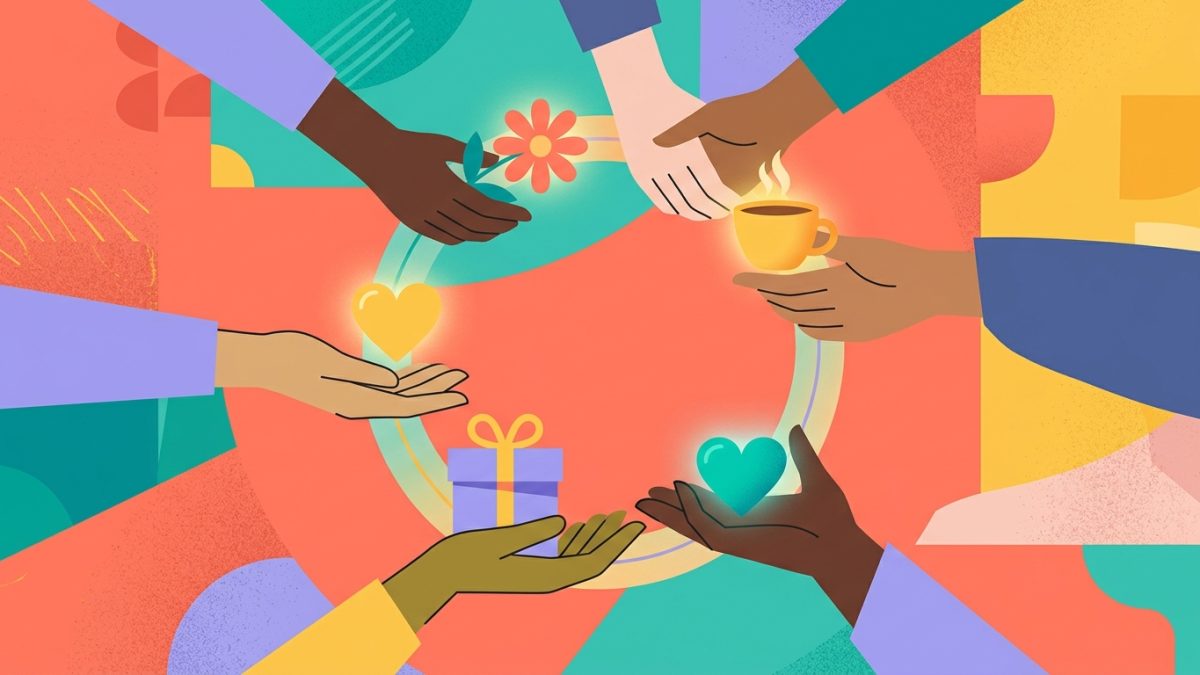
As we explored in How to Be Happy, studies in positive psychology suggest that a few everyday habits can lift our mood – among them gratitude, physical activity and small, “random” acts of kindness. Kindness may be the most surprising of the three. It is the one habit that looks like it is all about someone else – and yet it turns out to be one of the most direct routes to feeling better about ourselves.
That is why it earns its place as the fifth secret to a long and healthy life: be kind to others.
Why Doing Good Makes Us Feel Good
When we help someone, even in a small way, something shifts inside us. We are reminded that we are capable, that we have something to offer, and that our actions matter. That sense of self-worth is a quiet but powerful foundation for happiness.
There is a biological side to this as well. Our emotional life doesn’t stay in our heads – it shapes our hormones, our nervous system and, over time, our health. Dr. Mark Hyman points out that serving others activates the brain’s reward circuits, including dopamine, the messenger that makes us want to repeat what felt good. Put simply, caring for others is something our brains are wired to enjoy.
Kindness spreads. Think of the last time someone let you go ahead of them in a queue, or a stranger helped you carry something heavy – didn’t you feel a little more generous for the rest of the day? A single gesture can travel from person to person long after you’ve forgotten it.
Kindness, Connection and a Longer Life
Every kind act is also an act of connection. And connection may be one of the most underrated ingredients of longevity. Dr. Hyman describes the role close-knit communities play in long life: people who are woven into a network of family, friends and neighbors – who celebrate together and look after one another – tend to stay healthier for longer. Loneliness and isolation, on the other hand, are recognized risk factors for poor health and earlier death.
Being kind is one of the simplest ways to build that web of connection – with family, neighbors, colleagues and even strangers.
What Kindness Does for the Body
In the Health Triangle, the mental and emotional side of health is never separate from the physical side. How we feel affects our stress hormones, our immune response, our heart and even our digestion. So it makes sense that a habit which lifts our mood and lowers our stress would ripple out into the rest of the body.
Kindness has been associated with less stress and a better mood, and some early findings hint at benefits for the heart and immune system too. One randomized trial at the University of North Carolina is especially interesting. Over six weeks, 142 middle-aged adults were assigned to loving-kindness meditation (a practice of consciously sending warm wishes to yourself and others), to mindfulness meditation, or to a waiting list. The loving-kindness group lost significantly less telomere length than the waiting-list group. Telomeres work a little like the plastic tips on shoelaces, keeping our DNA from fraying, and they naturally shorten as we age. This study looked at a meditation practice rather than at everyday acts of kindness, and the research is still young – but it fits a picture we see again and again: the state of our heart and mind leaves its mark on our cells.
Simple Ways to Practice Kindness Every Day
Most acts of kindness cost nothing and take only a minute, and the more often you practice them, the more naturally they come. A few ideas to get you started:
- Call someone you haven’t spoken to in a while, just to ask how they are.
- Give your full attention – put the phone away and really listen when someone talks to you.
- Offer practical help to an elderly neighbor: carry the shopping, fix something small, or simply sit and chat.
- Bring a healthy homemade dish to a friend who is recovering, grieving or overwhelmed.
- Teach a skill you have – a recipe, a breathing exercise, help with a computer problem.
- Be patient with someone who is slow or struggling, in traffic, at the checkout or at work.
Try noticing how you feel after each one. For many people, that inner glow is the best motivation to keep going.
Kindness Starts with You, Too
Being kind to others doesn’t mean neglecting yourself. Think of your health as a bank account: giving is a wonderful deposit when it comes from a place of abundance, but if you are constantly giving while running on empty, it becomes another withdrawal. Real kindness includes setting healthy boundaries, resting when you need to, and treating yourself with the same compassion you offer others.
And as with everything in health, each person is unique. Some people feel most nourished by quiet one-on-one gestures, others by community work or volunteering. Find the form of kindness that feels natural and joyful for you. If you find that low mood persists no matter what you try, it is worth looking deeper – sometimes there is a physical root, such as nutritional imbalances, that a practitioner can help you identify.
The Five Secrets Together
Be happy, sit less, breathe well, sleep deeply – and be kind to others. None of these secrets requires special equipment or a big budget. They are everyday choices that, added together, create the conditions your body needs to heal, thrive and age well.
Start the series from the beginning: The #1 Secret to a Long, Healthy Life: Why Happiness Matters