Healthy Eating Principles Part 2: The One Rule All Diets Agree On

Discover the one healthy eating rule all experts agree on: increase your vegetable intake. Learn why vegetables are key and how many you should eat daily for optimal health.
Reading comfort
In This Article

In Brief: Key Takeaways

Increasing vegetable consumption is a universally accepted principle of healthy eating across nearly all dietary approaches.
The strongest consensus is on eating more non-starchy vegetables like leafy greens, broccoli, and peppers.
For optimal health, aim to eat as many vegetables as possible each day, with virtually no upper limit.
Even intensive therapeutic diets, like the Gerson therapy, emphasize extremely high consumption of vegetables and their juices.
Making vegetables the foundation of your meals is a simple yet powerful step towards better health, regardless of your specific dietary philosophy.

Finding Common Ground in Nutrition

In the first part of this series, we established the most important rule of nutrition: there is no single diet that works for everyone. Our unique bodies require a personalized approach. However, despite the many disagreements in the world of nutrition, there are a few foundational principles that almost every expert agrees on. This article covers the most powerful and universal of them all.

Principle #2: Increase Your Vegetable Intake!

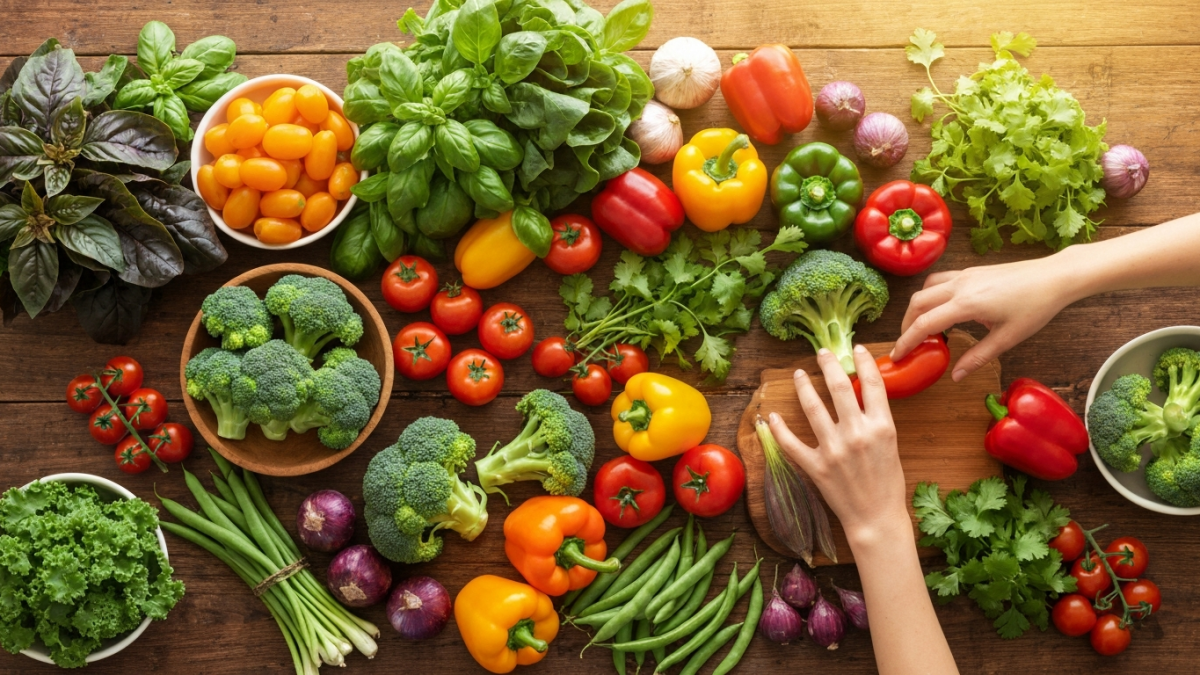
If there is one thing that unites nearly all dietary philosophies – from Paleo to Vegan, Mediterranean to low-carb – it’s the recommendation to eat more vegetables. The consensus is particularly strong when it comes to non-starchy vegetables (like leafy greens, broccoli, peppers, and cucumbers). While different diets have varying opinions on starchy vegetables (like potatoes and corn), the advice to eat an abundance of non-starchy vegetables is virtually universal.

How Many Vegetables Should You Eat Daily?

The simple answer is: as many as possible. For non-starchy vegetables, there is really no upper limit. They are packed with vitamins, minerals, fiber, and phytonutrients that support every system in your body. Making vegetables the star of your plate at every meal is one of the most effective changes you can make for your health.

To put this into perspective, some therapeutic protocols use extremely high quantities of vegetables to promote healing. For example, the Gerson therapy, a nutritional protocol used for cancer patients, involves consuming large amounts of fresh, organic vegetable juices throughout the day, equivalent to many kilograms of produce.

While you don’t need to go to such extremes, the principle remains the same: the more vegetables you can incorporate into your daily diet, the better. Aim to fill at least half your plate with a colorful variety of vegetables at lunch and dinner, and find creative ways to add them to your breakfast and snacks.

Frequently Asked Questions

Non-starchy vegetables are lower in carbohydrates and calories and higher in fiber and water content. Examples include leafy greens, broccoli, cauliflower, peppers, and zucchini. Starchy vegetables, like potatoes, corn, and peas, contain more carbohydrates and have a greater impact on blood sugar.
For the vast majority of people, it’s nearly impossible to eat too many non-starchy vegetables. They are nutrient-dense but not calorie-dense. A sudden, massive increase in fiber could cause temporary digestive discomfort for some, so it’s best to increase your intake gradually.
Yes! Frozen vegetables are an excellent option as they are typically flash-frozen at peak ripeness, preserving most of their nutrients. When choosing canned vegetables, opt for those with no added salt or sugar and in BPA-free cans if possible.
Start by adding them to foods you already eat. Add spinach to your morning eggs or smoothie, have a large salad for lunch, snack on raw veggies like carrots and bell peppers with hummus, and add an extra serving of roasted or steamed vegetables to your dinner.
Organic vegetables are grown without synthetic pesticides and fertilizers. While the nutrient content can be similar, choosing organic reduces your exposure to these chemicals. If budget is a concern, you can prioritize buying organic for produce on the ‘Dirty Dozen’ list and opt for conventional for the ‘Clean Fifteen’.
Share