

In Brief: Key Takeaways
The Two Pillars of Functional Testing
As we discussed in Part 1 of this series, advanced lab tests provide a deeper, more accurate view of your body’s internal workings than standard tests. Once you’ve decided to take this proactive step for your health, the next question is which tests are most important. While a personalized plan should always be determined with a practitioner, the most crucial tests generally fall into two main categories: nutrient analysis and gut health assessment.
Nutrient Testing: Are You Truly Nourished?
The first category includes tests that measure levels of essential nutrients like vitamins, minerals, and hormones. These substances are the building blocks and messengers that run virtually every process in your body. Deficiencies or excesses can lead to a wide range of health problems.
Some of these markers can be tested easily through your public health provider. For others, you may need to insist, and some are simply not available through standard channels. Critically, to provide relevant information, these markers must be tested in the medium where they are most active or stored in the body. For example, some minerals are more accurately measured in whole blood or red blood cells rather than in the blood serum, which is the standard for many tests.
Comprehensive Stool Analysis: The Gateway to Your Health
Your digestive system and the trillions of bacteria living within it – collectively known as the gut microbiome – have a profound impact on your entire body. Imbalances in the gut flora have been linked to a vast array of conditions, from obesity and heart failure to depression, anxiety, and diabetes. In fact, microbiome research is one of the most active and exciting fields in biology and medicine today, with our knowledge growing daily.
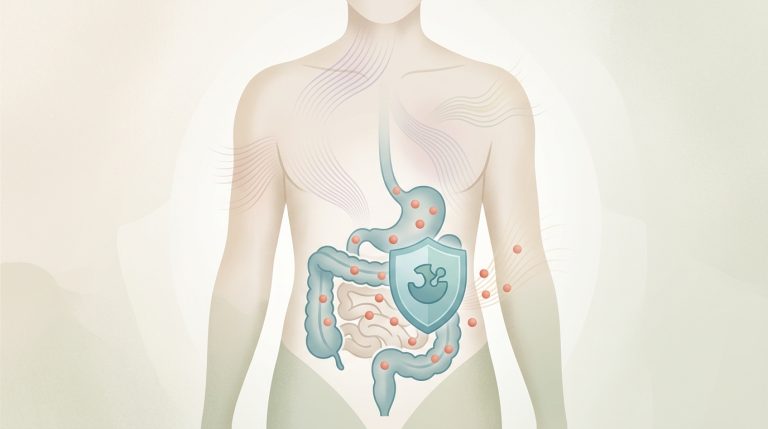
One of the most important jobs of the digestive system is to act as a selective barrier. It must allow essential, fully digested nutrients to enter the bloodstream while preventing undigested food particles, toxins, and harmful microbes from getting inside the body.
What Can a Comprehensive Stool Test Reveal?
Advanced stool tests go far beyond a simple check for parasites. They help us understand the complete picture of your digestive health, including:
- Intestinal Permeability: Whether the gut’s barrier function has been compromised (often called “leaky gut”).
- Inflammation: The presence of inflammatory markers that can indicate an underlying disease process.
- Fungal Overgrowth: Whether there is an overgrowth of yeast, such as Candida, in the intestines.
- Stool pH: Whether the pH is in the optimal range for your digestive enzymes to work effectively.
- Digestion and Absorption: How well you are breaking down and absorbing fats, proteins, and carbohydrates from your food.
- Microbiome Balance: The composition of your gut flora, including the balance of beneficial bacteria, opportunistic bacteria, and pathogens.
Creating Your Personalized Path Forward
The information from these tests is a powerful tool, but it’s not a diagnosis in itself. The results must be interpreted in the context of your unique health history and symptoms. Working with a qualified practitioner is essential to translate these complex data points into a targeted and effective action plan of diet, lifestyle, and supplement recommendations to restore balance and optimize your health.