
In Brief: Key Takeaways
What Is Histamine Intolerance?
Histamine intolerance is a condition that causes a surprisingly diverse range of symptoms, including digestive problems, migraines and headaches, allergic rhinitis, skin conditions, pain, and more. It connects all of these seemingly unrelated issues to conditions commonly associated with allergy, such as (neuro-)dermatitis, eczema, psoriasis, asthma, and urticaria.
If you suffer from one or more of these allergy-associated symptoms – hay fever, allergic rhinitis, neurodermatitis, dermatitis, urticaria, eczema, psoriasis, asthma, or others – you need to know about this condition. There is a strong chance that histamine intolerance is influencing when and how severely your symptoms appear.
In addition, histamine intolerance frequently affects people who suffer from digestive issues such as irritable bowel syndrome (IBS), Crohn’s disease, ulcerative colitis, food sensitivities, and other gastrointestinal conditions.
While histamine intolerance was once considered poorly recognized, clinical awareness has grown significantly in recent years, with more practitioners now screening for it as part of functional and integrative assessments.
What Is Histamine, Where Does It Come From, and What Does It Do?
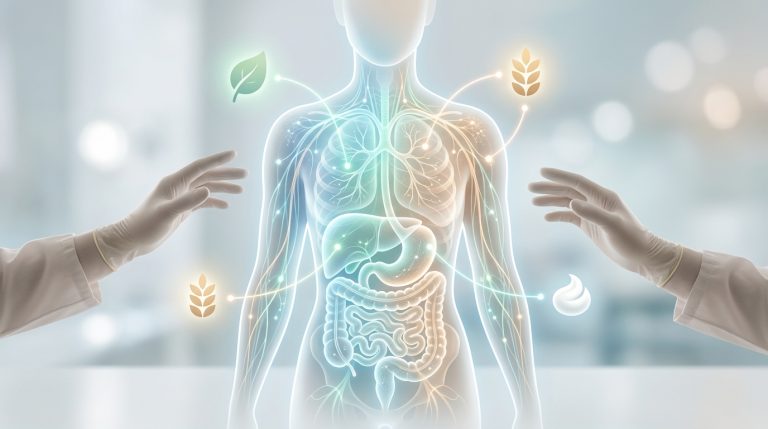
Histamine is a molecule produced by the body itself and stored, among other places, in mast cells – specialized immune cells that can release histamine into the bloodstream at any moment. Histamine plays numerous physiological roles in the body, including:
- Contracting smooth muscles– found in the digestive tract, lungs, and uterus
- Dilating blood vessels
- Mediating pain
- Playing a role in inflammatory responses
- Driving allergic reactions– it is responsible for classic allergy symptoms such as itching, swelling, redness, runny nose, and difficulty breathing
Importantly, histamine is also released from mast cells into the bloodstream during emotional stress and fear responses.
External Sources of Histamine
Beyond the body’s own production, bacteria also produce high levels of histamine during various processes – protein breakdown, vegetable fermentation (such as pickles and sauerkraut), and the aging of cheeses and wine. Histamine is also naturally present in certain foods, such as bananas and avocados.
The DAO Enzyme: Your Body’s Histamine Shield
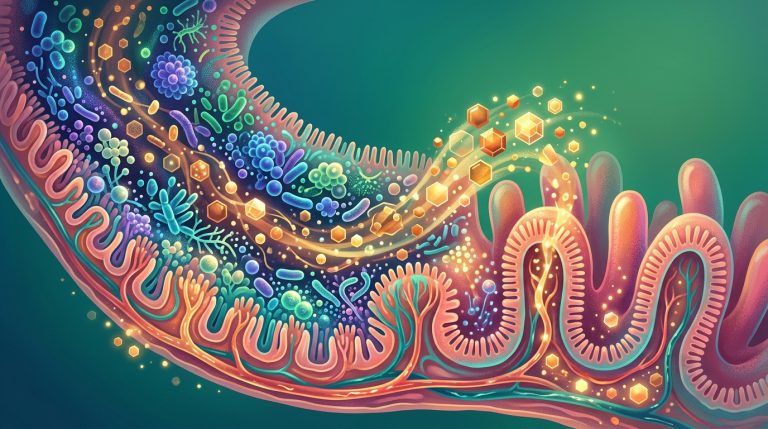
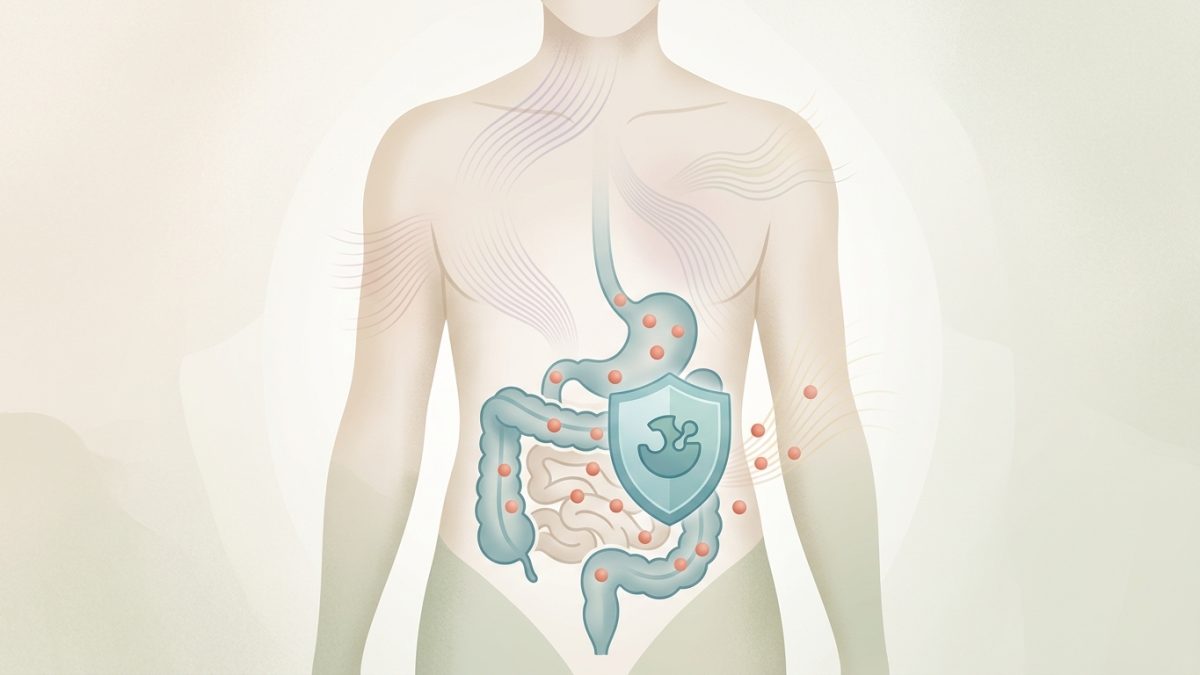
To neutralize histamine entering the body through the digestive system, the small intestine contains an enzyme called diamine oxidase (DAO). This enzyme breaks down histamine and prevents its absorption into the bloodstream. However, for DAO to function fully, it requires adequate levels of copper and vitamin B6.
In people with histamine intolerance, the DAO enzyme does not work properly, allowing dietary histamine to be absorbed into the bloodstream. This impaired function can result from:
- A deficiency in copper and/or vitamin B6
- Inflammatory bowel disease
- Reduced production of the enzyme by intestinal cells
- Numerous medications that inhibit the enzyme’s activity
- Alcohol consumption – which both inhibits DAO and increases intestinal permeability, making it even easier for histamine to cross into the bloodstream
Additional conditions that raise histamine levels in the body include Helicobacter pylori infection and increased intestinal permeability (“leaky gut”).
Once histamine from food is absorbed into the bloodstream, it joins the histamine already released from mast cells due to other factors – primarily emotional stress and/or allergic reactions.
Why This Matters: The Cumulative Histamine Effect
Here is the bottom line: if you occasionally or regularly experience symptoms driven by histamine, those symptoms will worsen whenever your blood histamine levels rise.
What Causes Blood Histamine Levels to Rise?
Blood histamine levels can increase due to any of the following:
- Allergen exposure – via inhalation, ingestion, or skin contact with something you are allergic to.
- Sensitivity reactions – sensitivities are essentially a different type of allergic response, a phenomenon not fully understood but affecting a great many people.
- Eating high-histamine foods while DAO function is impaired – allowing dietary histamine to reach the bloodstream. DAO function can be impaired by:
- Copper and/or vitamin B6 deficiency
- Medications that inhibit the enzyme
- Poor enzyme production in intestinal cells
- Alcohol consumption
- Eating foods that non-specifically trigger mast cell histamine release – these foods release histamine not because you are allergic or sensitive to them, but because that is simply what they do in the body.
- Stress and/or fear
- A combination of the above – and this is the critical point.
The Combination Problem: When Multiple Triggers Stack Up
Imagine this scenario: you are under intense stress, you eat foods you are sensitive to, and at the same time you have a vitamin B6 deficiency. What happens?
This is the core problem of the entire syndrome – and the most important takeaway from this article. When multiple histamine-raising factors converge, your symptoms can worsen dramatically.
That is why understanding each factor that raises histamine in your bloodstream is so powerful. Once you identify your personal triggers, you can manage your symptoms far more effectively.
For example, if you are currently suffering from hay fever (because it is the season) and you have also had a stressful day at work, it is probably not the best time to eat aged cheese, drink wine, or consume other high-histamine foods. On the other hand, during a calm, low-stress period with no active allergic exposure, you may tolerate those same foods without any problem.
Treatment and Management of Histamine Intolerance
Dietary Adjustments
A low-histamine diet is a foundational step. This means reducing or temporarily eliminating foods known to be high in histamine – aged cheeses, fermented foods, cured meats, certain fish, alcohol (especially wine and beer), and foods that trigger non-specific histamine release. Work with a qualified practitioner to design an elimination protocol tailored to your needs, since overly restrictive diets can lead to nutritional deficiencies.
Supporting DAO Enzyme Function
Because DAO requires copper and vitamin B6 to function, ensuring adequate levels of these nutrients is essential. A practitioner can test your levels and recommend appropriate supplementation if needed. DAO enzyme supplements taken before meals are also available and may help some individuals tolerate dietary histamine.
Addressing Underlying Causes
Treatment should also address root causes of impaired DAO function: healing intestinal inflammation, treating Helicobacter pylori infection, reducing intestinal permeability, and reviewing any medications that may inhibit DAO.
Lifestyle and Epigenetic Factors
Diet, supplements, environment, and lifestyle can all shape your genetic destiny. When you know what your genes need, you can choose a diet and lifestyle that optimize your health – the difference between struggling under a burden of symptoms or living a healthy, vital life full of energy. Stress management practices – such as deep breathing, meditation, regular physical activity, and quality sleep – directly reduce mast cell activation and help keep histamine levels in check.
When to Seek Professional Help
If you suspect histamine intolerance, consult a healthcare practitioner experienced in functional medicine or clinical nutrition. Diagnosis typically involves symptom tracking, dietary challenge protocols, and in some cases blood tests for DAO activity or histamine levels. Trying to find out more about your individual triggers – including specific genetic challenges – is not always straightforward. According to Dr. Ben Lynch, you can easily be swamped by confusing information and contradictory recommendations. A qualified practitioner can help you navigate this process effectively.