
In Brief: Key Takeaways
Why Zinc is Crucial for Your Immune System
While most people know that Vitamin C is essential for a strong immune system, few are aware that a zinc deficiency can be just as damaging – if not more so – to the body’s ability to fight off pathogens. Zinc is a trace element, a mineral the body needs in sufficient quantities to function correctly. Its importance extends far beyond immunity; zinc is required for digestion (especially of animal proteins), balancing the endocrine system, wound healing, and maintaining healthy hair and strong nails.
Zinc acts as a co-factor for more than 300 enzymes related to the immune system. In simple terms, enzymes are the body’s “machines” that perform critical jobs, from generating energy to eliminating pathogens. These machines need “keys” to turn them on, and these keys are the co-factors. Without zinc, many of the immune system’s essential enzymes simply cannot function, leaving your body’s defenses significantly weakened.
Are You Deficient in Zinc?
Zinc deficiency is surprisingly common in the general population. Unfortunately, standard blood tests are not a reliable way to measure the body’s zinc levels. Zinc is an intracellular element, meaning it is found inside your cells, not in the plasma that is typically analyzed in routine blood work. Therefore, its levels can only be accurately assessed through specialized tests like whole blood or red blood cell analysis.
Common Symptoms of Zinc Deficiency
White spots on your fingernails can be a classic sign of zinc deficiency. You may also be lacking in this vital mineral if you experience one or more of the following symptoms:
- Chronic fatigue
- Digestive issues, particularly low stomach acid or foul-smelling gas/stool
- Fertility problems
- Hormonal imbalances
- Difficulty concentrating
- Weak memory
- Hair loss
- Weak, brittle nails
- Changes in your sense of smell and/or taste
Using Zinc for Prevention vs. Treatment
To strengthen your immune system and prevent winter illnesses, incorporating zinc-rich foods into your diet is an excellent long-term strategy. Consistent dietary intake helps ensure your body maintains an adequate supply of this essential mineral.
However, once you already feel sick or notice the first signs of an illness, simply eating zinc-rich foods may not be enough. Research shows that taking a zinc supplement at the onset of symptoms can help stop the illness in its tracks or significantly shorten its duration. For adults, a dosage of about 30 mg of zinc per day is recommended during acute illness. As individual needs can vary, it’s always best to consult a practitioner for personalized guidance.
Top Zinc-Rich Foods for Your Diet
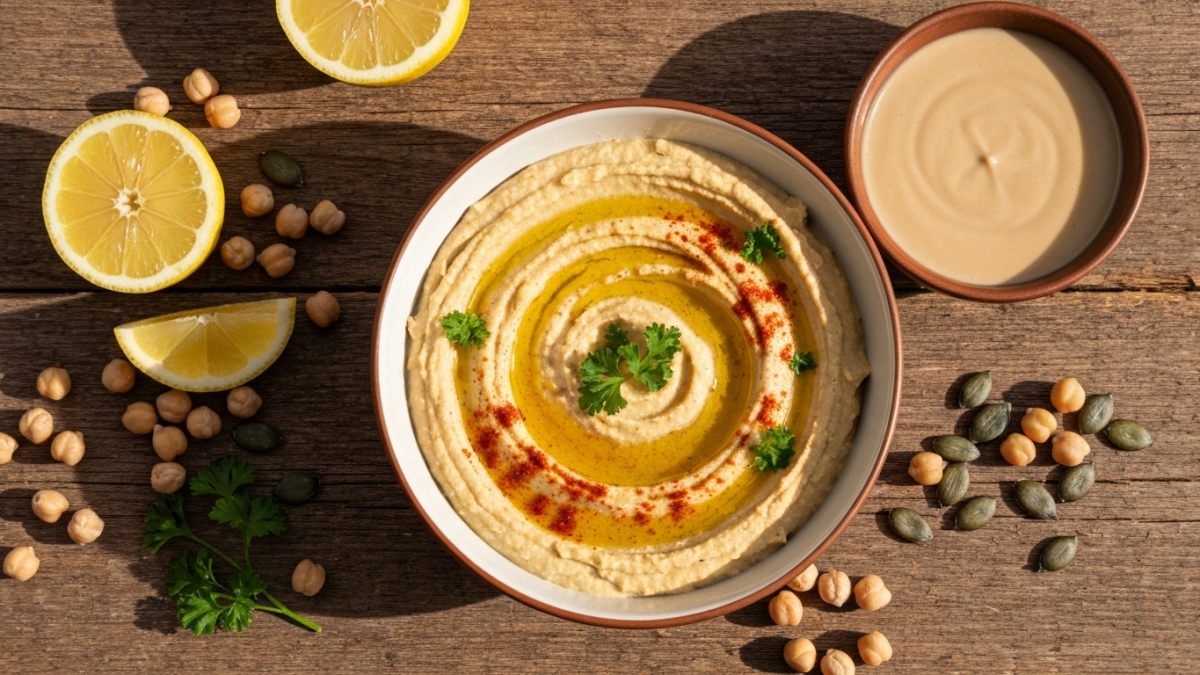
Oysters are the most concentrated food source of zinc. Other excellent sources include eggs, meat, pumpkin seeds, and cashew nuts. However, two staples of the Israeli diet are also packed with zinc: chickpeas and tahini.
The Power of Homemade Hummus
Store-bought hummus often contains unhealthy additives and preservatives, so we don’t recommend consuming it regularly. A much better option is to add cooked chickpeas to stews, enjoy them at small, dedicated hummus shops, or prepare your own hummus at home.
Like all legumes, chickpeas contain lectins, which can irritate the digestive system, particularly for individuals with autoimmune conditions, irritable bowel syndrome, diabetes, or arthritis. To reduce the lectin content, it’s crucial to soak the dried chickpeas for at least 12 hours, changing the water several times. Adding a little baking soda to the soaking water can further reduce lectins. Afterward, cook the chickpeas thoroughly over high heat. Using a pressure cooker is the most effective method for minimizing lectins.
The Versatility of Tahini
Tahini, made from ground sesame seeds, is another fantastic source of zinc. It’s a wonderful food that can be incorporated into almost any meal. Use it as a dip for cut vegetables or roasted cauliflower, as a dressing for salads, or as a spread on a slice of bread.
For winter health, two preparations are particularly beneficial:
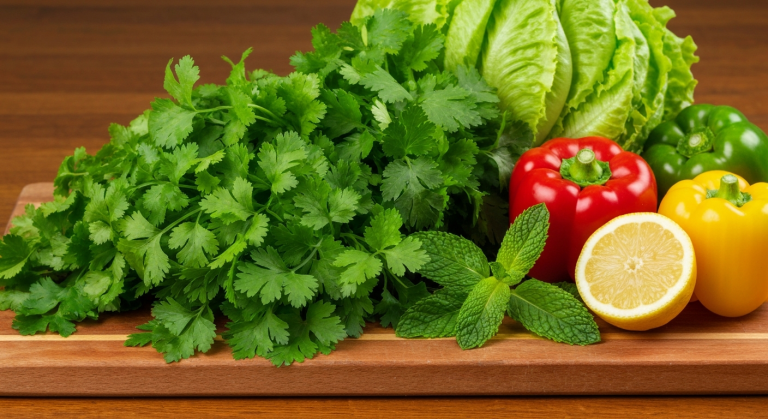
- Green Tahini: This version combines the zinc from tahini with a boost of Vitamin C. In a food processor, blend raw tahini, a generous handful of parsley and/or cilantro, lemon juice, a little water, salt, pepper, and garlic (which also has potent anti-bacterial and anti-viral properties). Add water gradually until you reach your desired consistency.
- Tahini and Honey Spread (Halva Spread): For a simple, healthy treat, mix high-quality raw tahini with a good quality honey. If needed, add a small amount of water to achieve a smoother, more spreadable texture. This creates a delicious and nutritious spread that supports your immune system.