
In Brief: Key Takeaways
Introduction: Shifting Focus from Cholesterol
In Part 1 of this series, we challenged the long-held belief that high LDL cholesterol is the primary cause of heart disease. Evidence suggests that this theory is flawed and that cholesterol may not be the villain it has been made out to be. This raises a critical question: if not cholesterol, what truly causes heart disease and atherosclerosis? This article explores the leading culprits and provides a roadmap for genuine cardiovascular health.
The Sugar Connection: A Leading Cause of Heart Disease
The most likely culprit behind the rise in heart disease is not fat or cholesterol, but high consumption of sugar and sweets. When we consume excess sugar, it leads to high blood sugar levels, which in turn drives the metabolic dysfunction that underlies many chronic diseases, including atherosclerosis. This aligns with the work of John Yudkin, who decades ago identified sugar – not fat – as the primary dietary driver of heart disease.
Inflammation: The Silent Driver of Atherosclerosis
It is now understood that atherosclerosis is fundamentally an inflammatory disease. The process of plaque buildup in the arteries is not simply a plumbing issue of cholesterol clogging pipes; it is a complex inflammatory response. Therefore, to prevent and treat heart disease, we must address the root causes of chronic inflammation in the body. A healthy lifestyle, anti-inflammatory diet, and stress management are crucial components of this approach.
The Gut-Heart Axis: Your Microbiome’s Role
Research from the last decade has illuminated the profound connection between our gut bacteria and overall health. The gut microbiome plays a significant role in the development of many diseases, including heart disease. An imbalanced gut can contribute to systemic inflammation and metabolic issues that directly impact cardiovascular health. Therefore, restoring the health of the digestive system is a critical step. Based on my clinical experience, using probiotics that are personally tailored to your unique needs is an important strategy for preventing heart disease.
Homocysteine: The Overlooked Risk Factor
High levels of an amino acid called homocysteine in the blood are linked to a significantly increased risk of several serious conditions, including atherosclerosis, heart disease, Alzheimer’s, and dementia. Homocysteine contributes to disease by promoting inflammation, increasing oxidative stress, and directly damaging the inner lining of blood vessels. Fortunately, homocysteine levels can be managed. The B vitamins – specifically B6, B9 (folate), and B12 – are essential for the metabolic pathways that regulate homocysteine. It is wise to have your homocysteine levels checked periodically via a blood test.
A Proven Strategy: The Mediterranean Diet
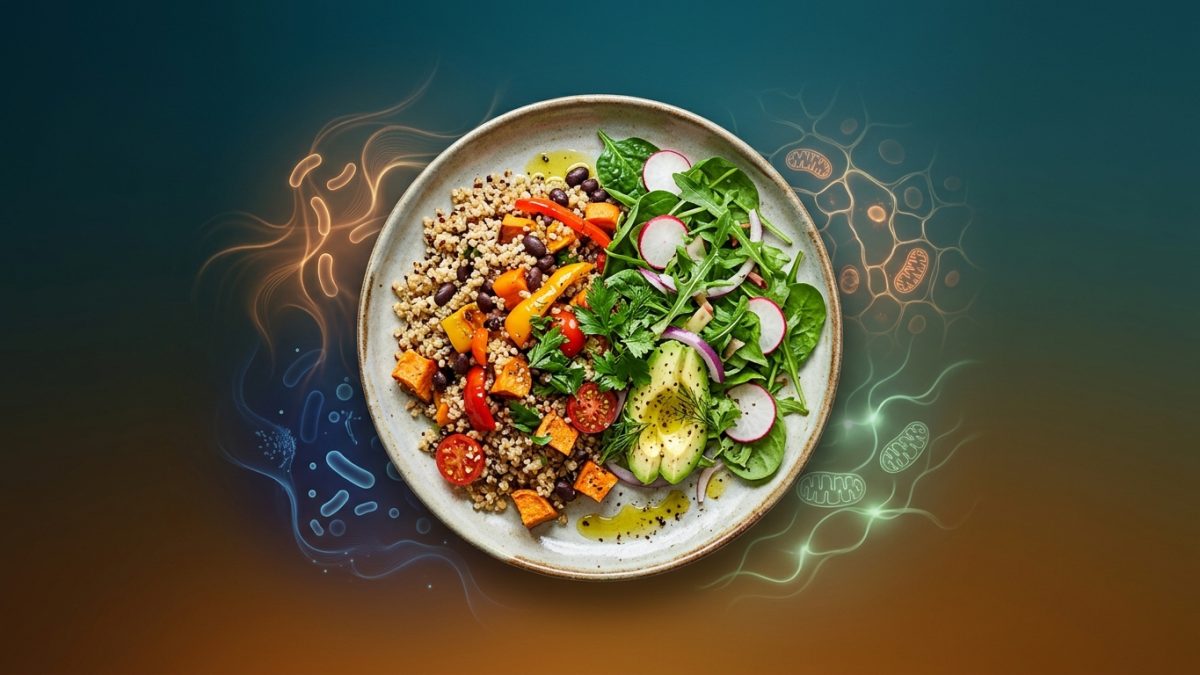
One of the most powerful tools for preventing heart disease is proper nutrition. According to studies, a Mediterranean diet – based on a high intake of fruits and vegetables, olive oil, quality grains, and small amounts of animal protein – can reduce all-cause mortality and cardiovascular events by an incredible 70%. Crucially, it achieves these results without necessarily lowering cholesterol levels. This provides powerful evidence that a healthy diet and lifestyle, rather than a narrow focus on cholesterol, are the true keys to maintaining a healthy heart and preventing atherosclerosis.